Opening Golf to the World
Rainwater Harvesting On-site
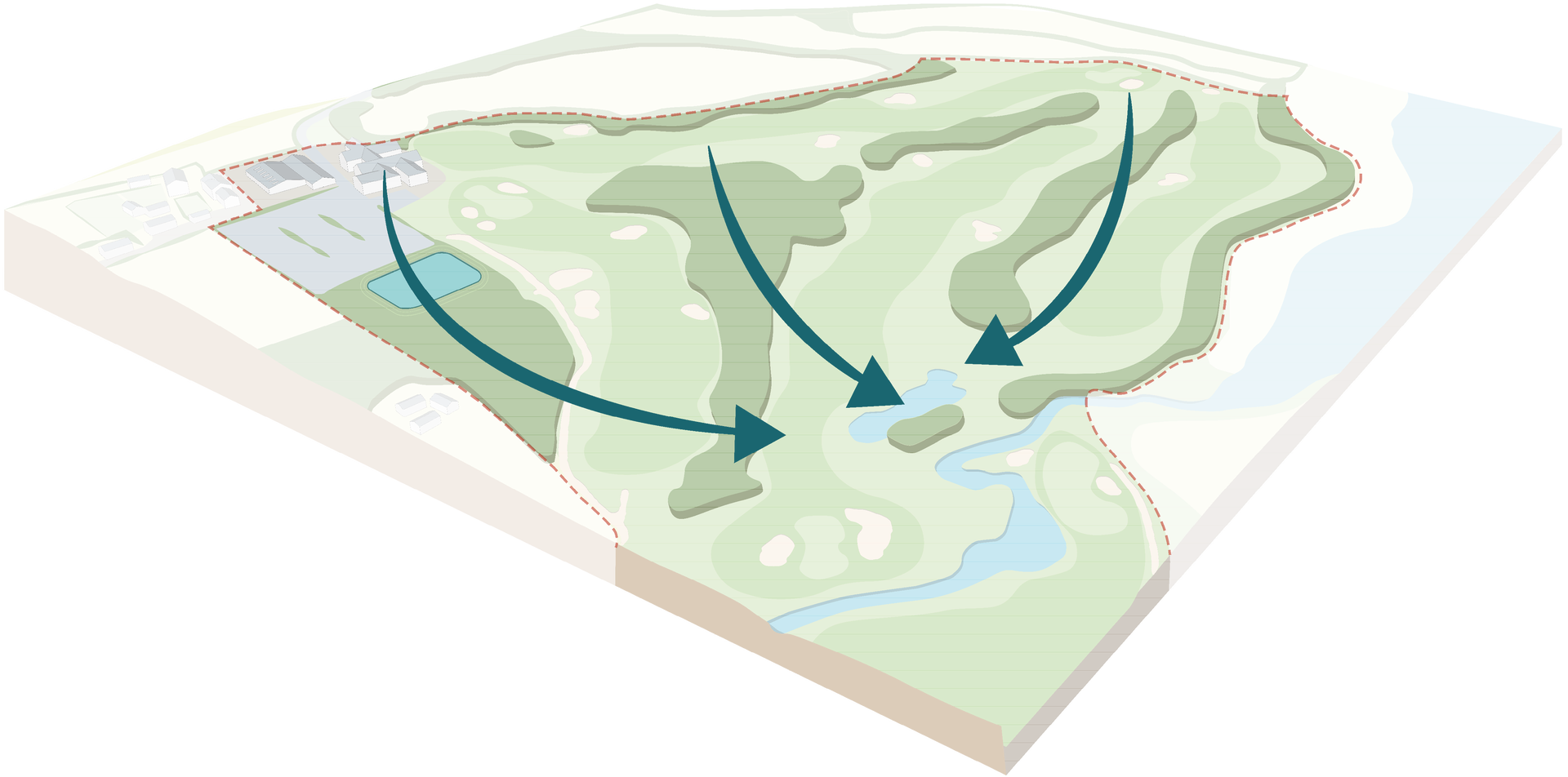
Golf courses, by their very nature, are large areas of land which form large catchment areas. The volume of water which enters and leaves a golf course each year, therefore, is likely to be significant. This water can be collected and stored for later reuse.
Golf courses, by their very nature, are large areas of land which form large catchment areas. The volume of water which enters and leaves a golf course each year, therefore, is likely to be significant. This water can be collected and stored for later reuse. Most golf courses receive too much rainfall for their drainage to cope with over winter months and too little for turf health over the summer months. A harvesting system should therefore be designed to collect and store water during winter months, for use in summer. If carefully designed, a system can continue to be topped up in summer months to prevent excessive drawdown on storage facilities.
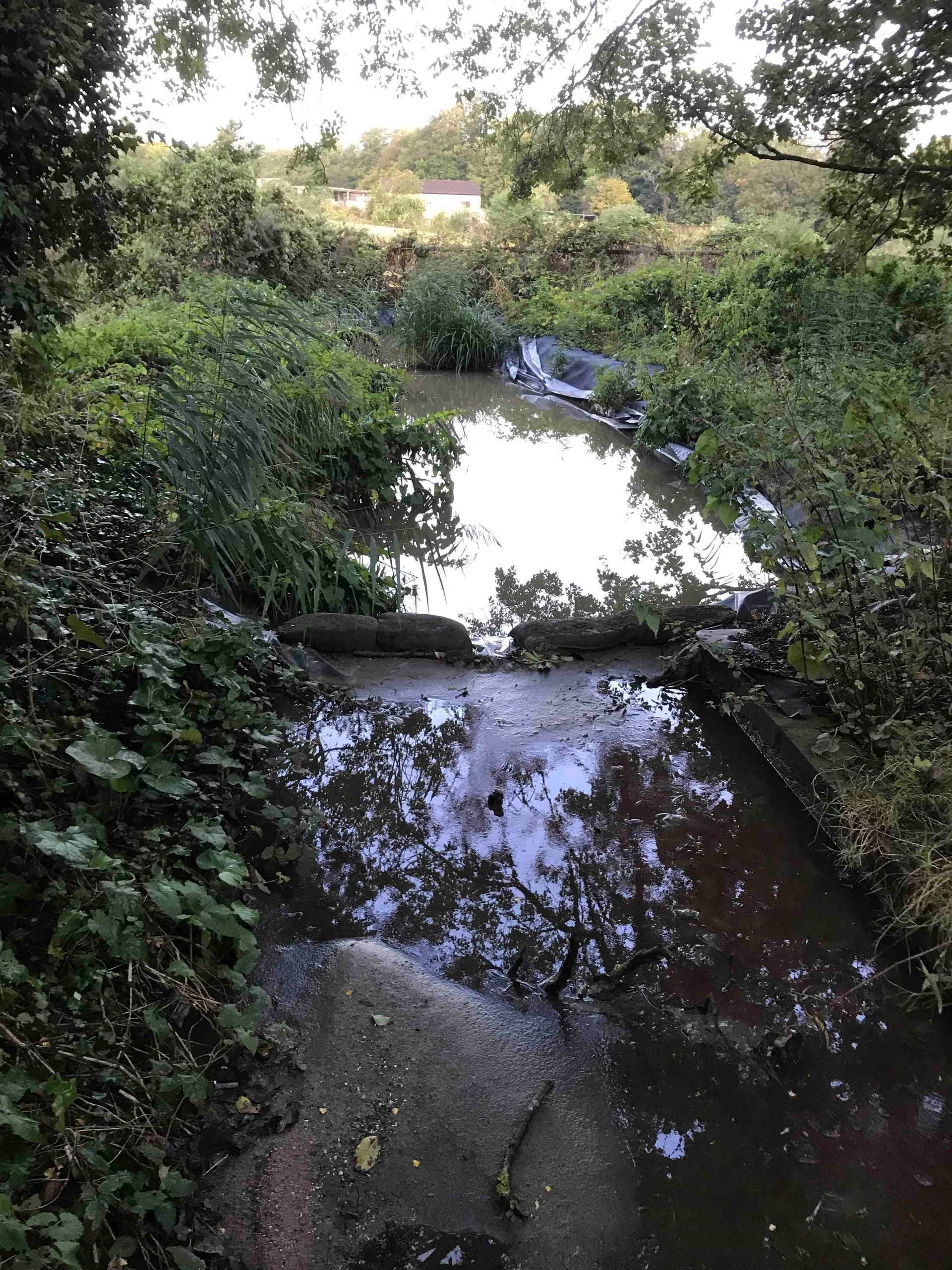
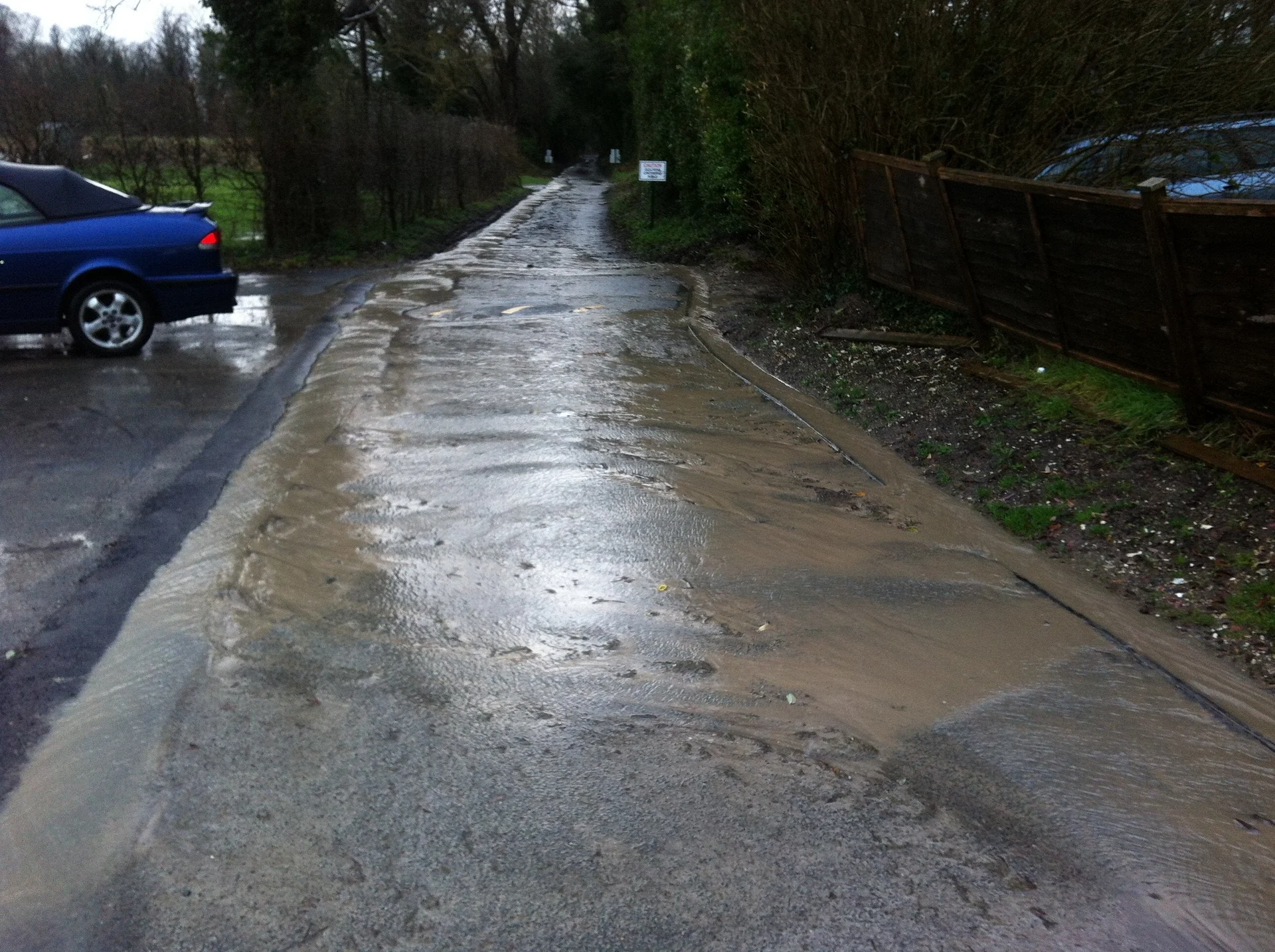
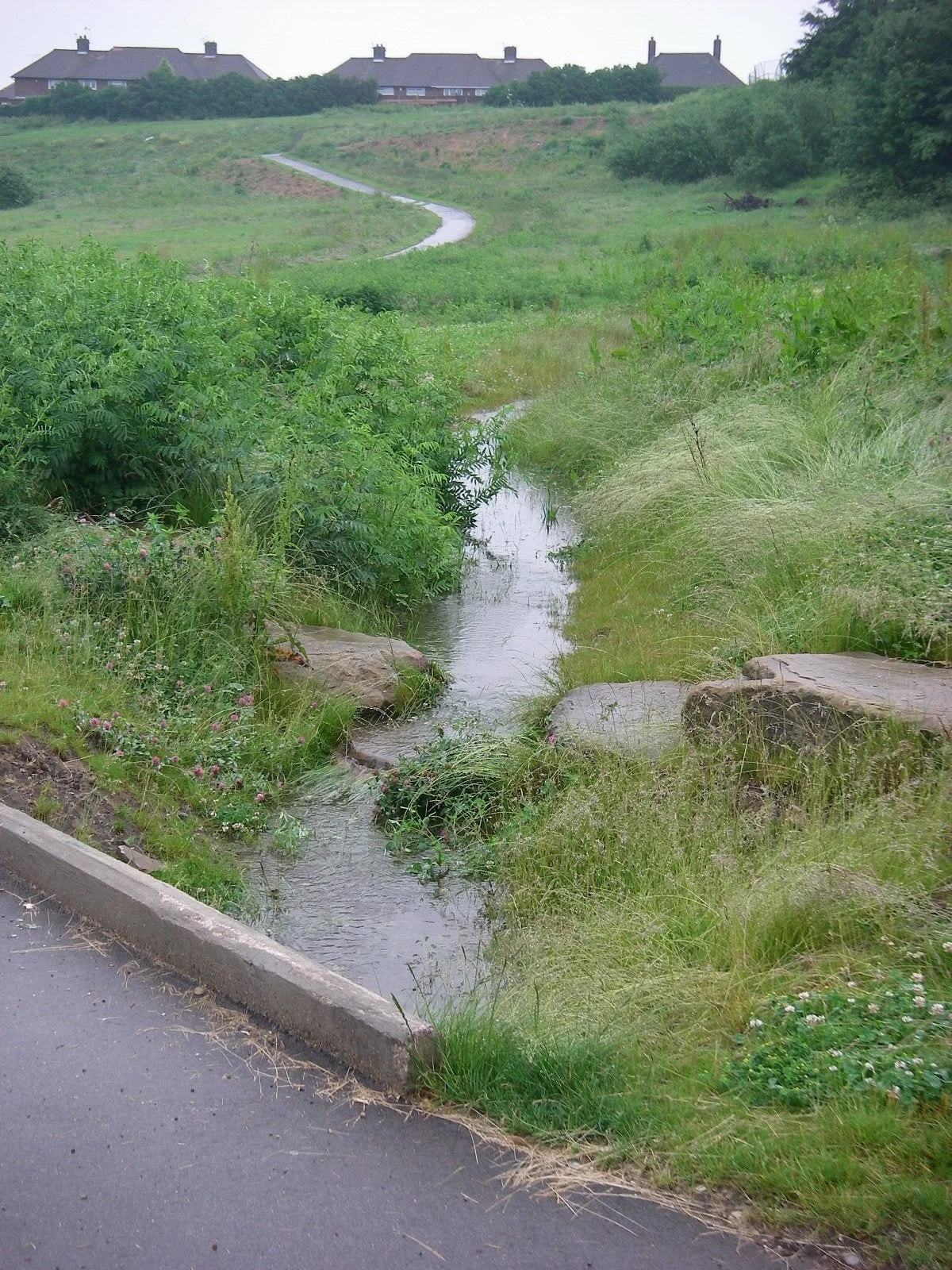
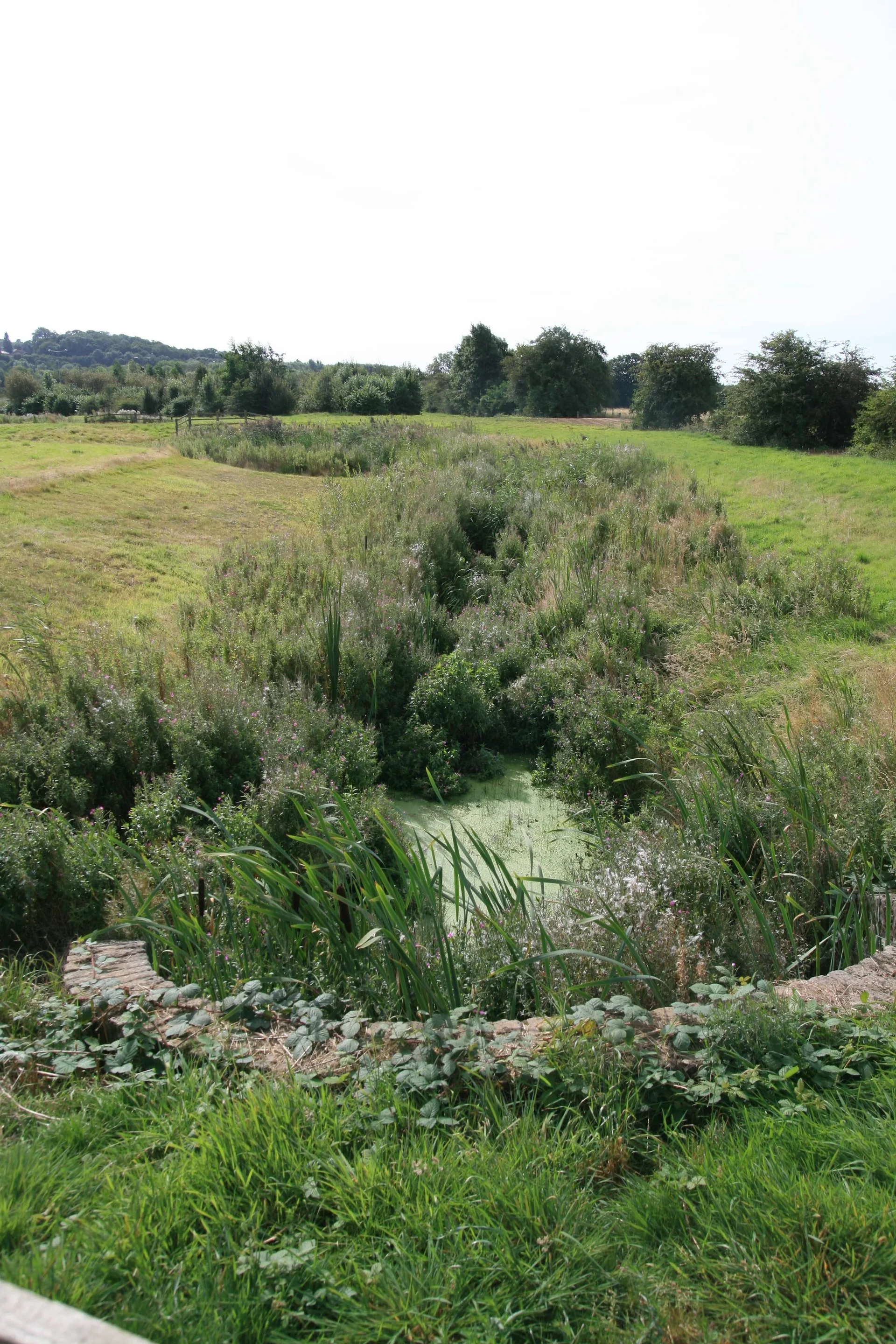
Golf courses provide an ideal opportunity to design a catchment-based source control system. This should focus on managing surface water run-off within smaller features and attenuation structures, such as ditches, ponds and swales, across a golf course. These structures can be incorporated into 'play' and can act as natural features or hazards that will only be full during intense storm events.
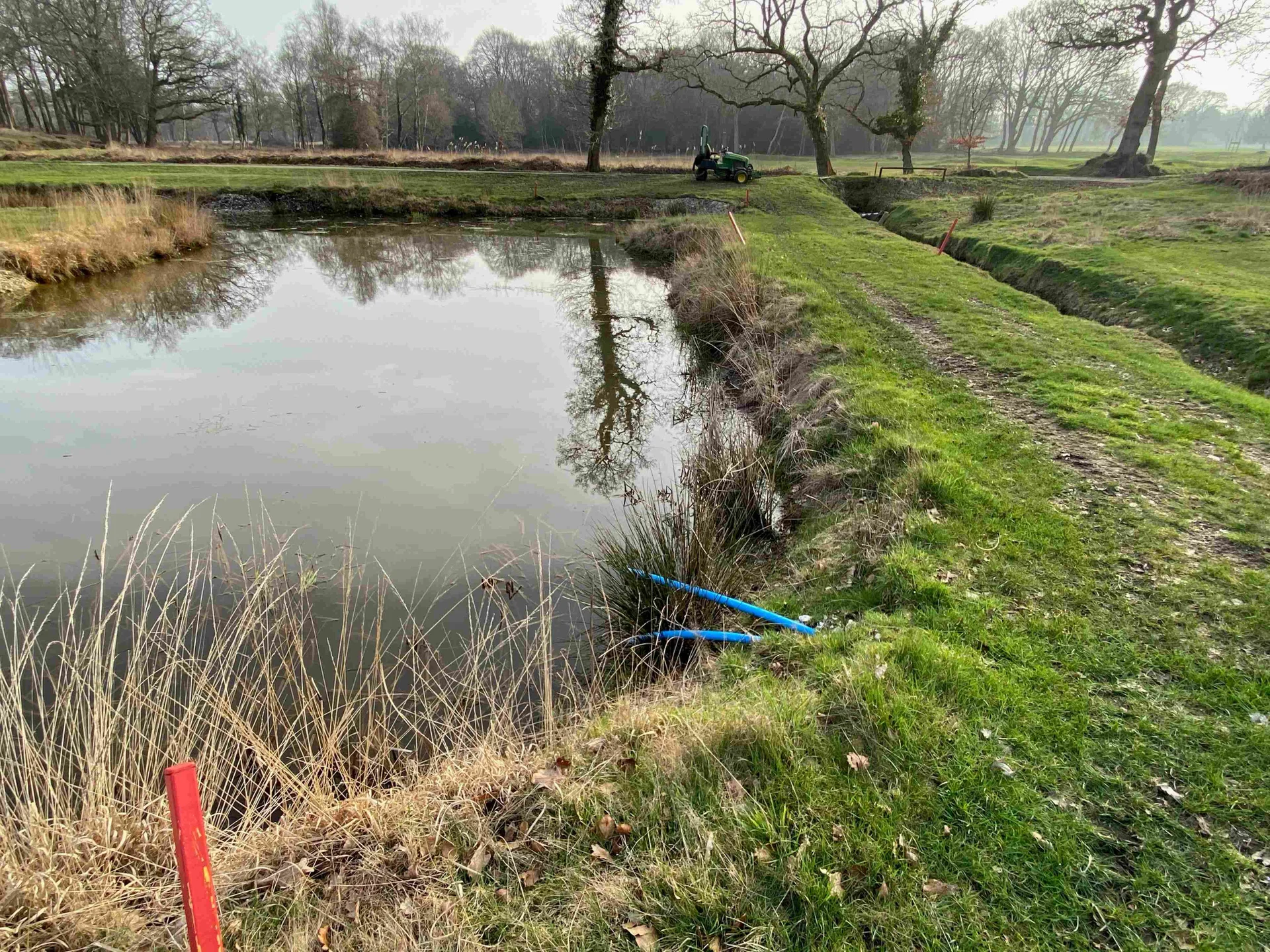
Each of these structures can cascade into the next one downstream at a managed rate, which then cascades into the next. Ultimately, the water will reach a low point of the course in either a large attenuation structure, pond or reservoir. This water can then be connected (via pump) to the irrigation system in order to provide a sole water source or used to top up another water source. By using the cascade method, water will be clean prior to entry into the irrigation structure and only require minor treatment.
Run-off from hard standing and roof areas can be collected within 'traditional' rainwater harvesting structures and tied into the main harvesting system to provide an additional water source.

Key Design Criteria
- Site wide assessment of surface levels and current surface water flow routes
- Site wide understanding of underlying geology
- Understanding and discussion with water licencing authority to understand the impact of storing and managing water on-site
- Water budget for site required
- Detailed modelling of flow volumes across site
Example Areas
The following provides two case studies from contrasting sites. These numbers are predictions and should not be used to estimate collection values from specific sites without input from a hydraulic specialist. Exact volumes which can be collected from a site will depend on site topography, climate, geology, drainage design and vegetation.
Site 1 - Well drained turfgrass site in Kent, UK
- 50-100 m3 per hectare per month depending on time of year
- 200-450 m3 per hectare per month depending on time of year