Opening Golf to the World
Site Water Action and Management Plans
The initial step in any irrigation changes. Golf clubs should have a continually updated site water action and management plan for the whole golf course.
Golf clubs should have a continually updated site water action and management plan for the whole golf course. This will allow the club to monitor current water use across the site, highlight areas which require improvement and assemble a long-term site plan which allows financial forecasts of future capital works. A site water action and management plan should be kept electronically in a secure location, ideally with cloud-based backups. It should be split into three different components:
- Current situation and monitoring
- Short-term improvements
- Long-term improvements and aspirations of the golf club
- Watershed situation
- Broader hydrological and land use context
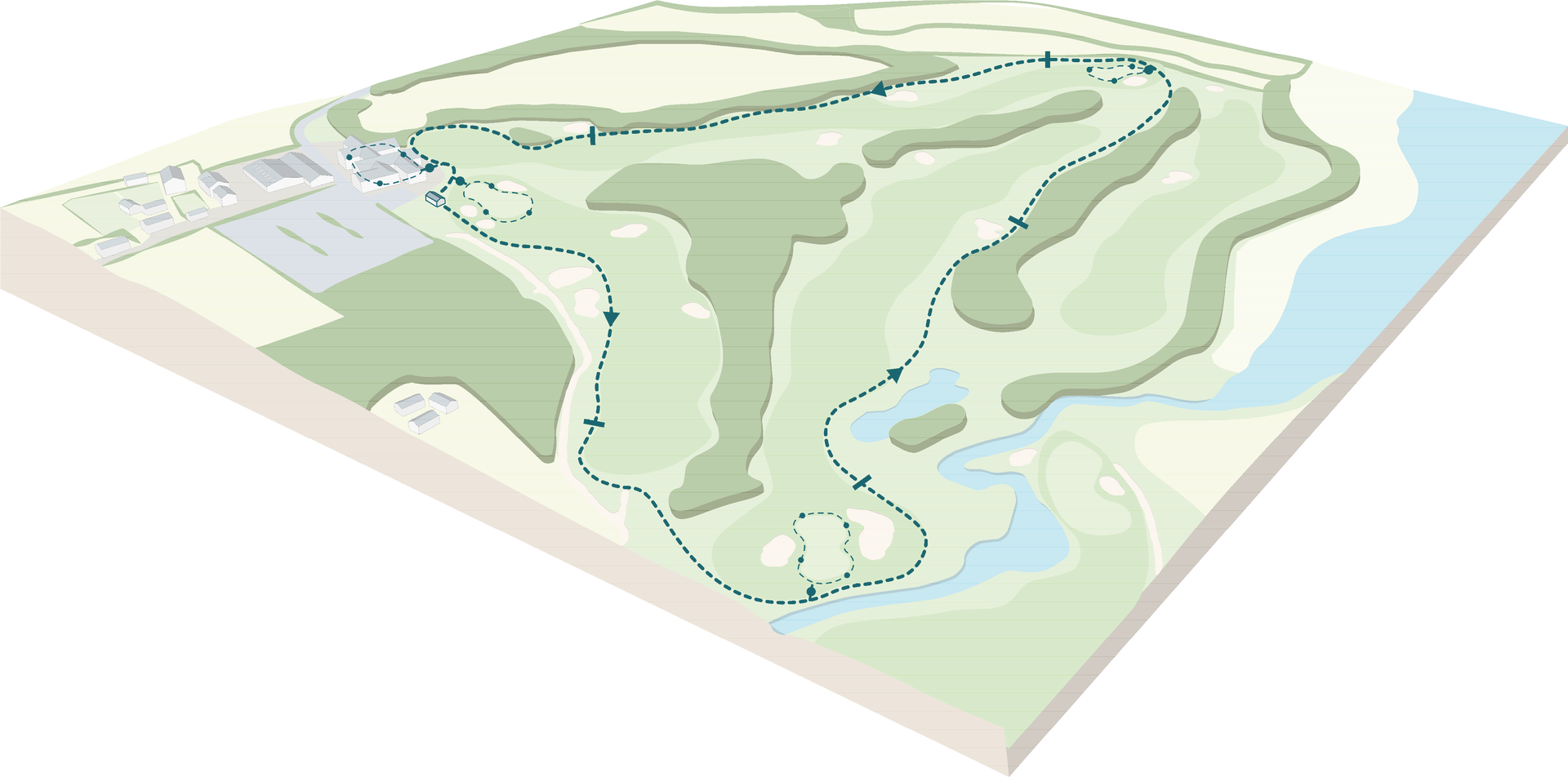
- Detailed map of site
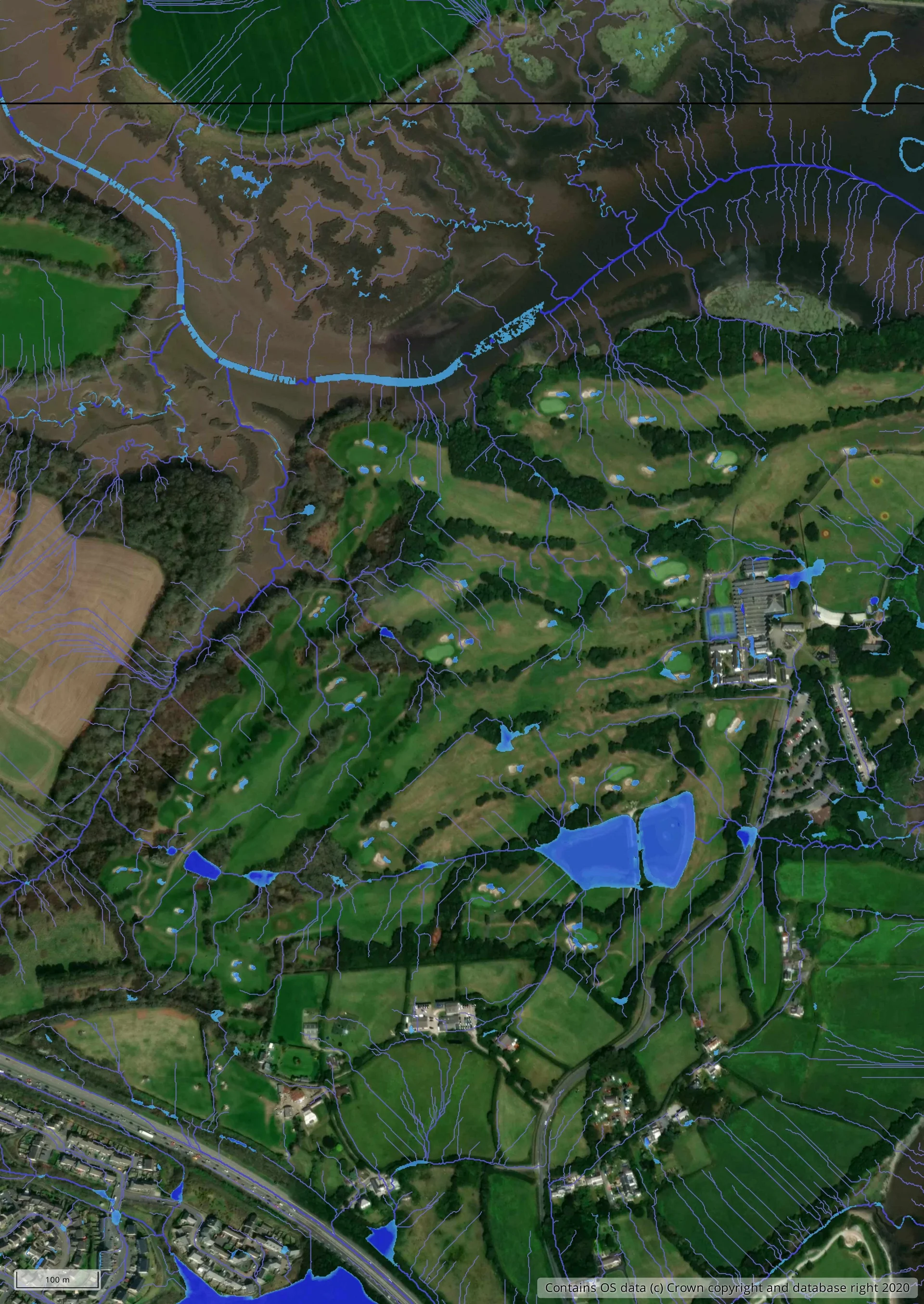
- Movement of water onto, under, around and off the site
- All known installed drainage across site
- Problematic areas which require drainage
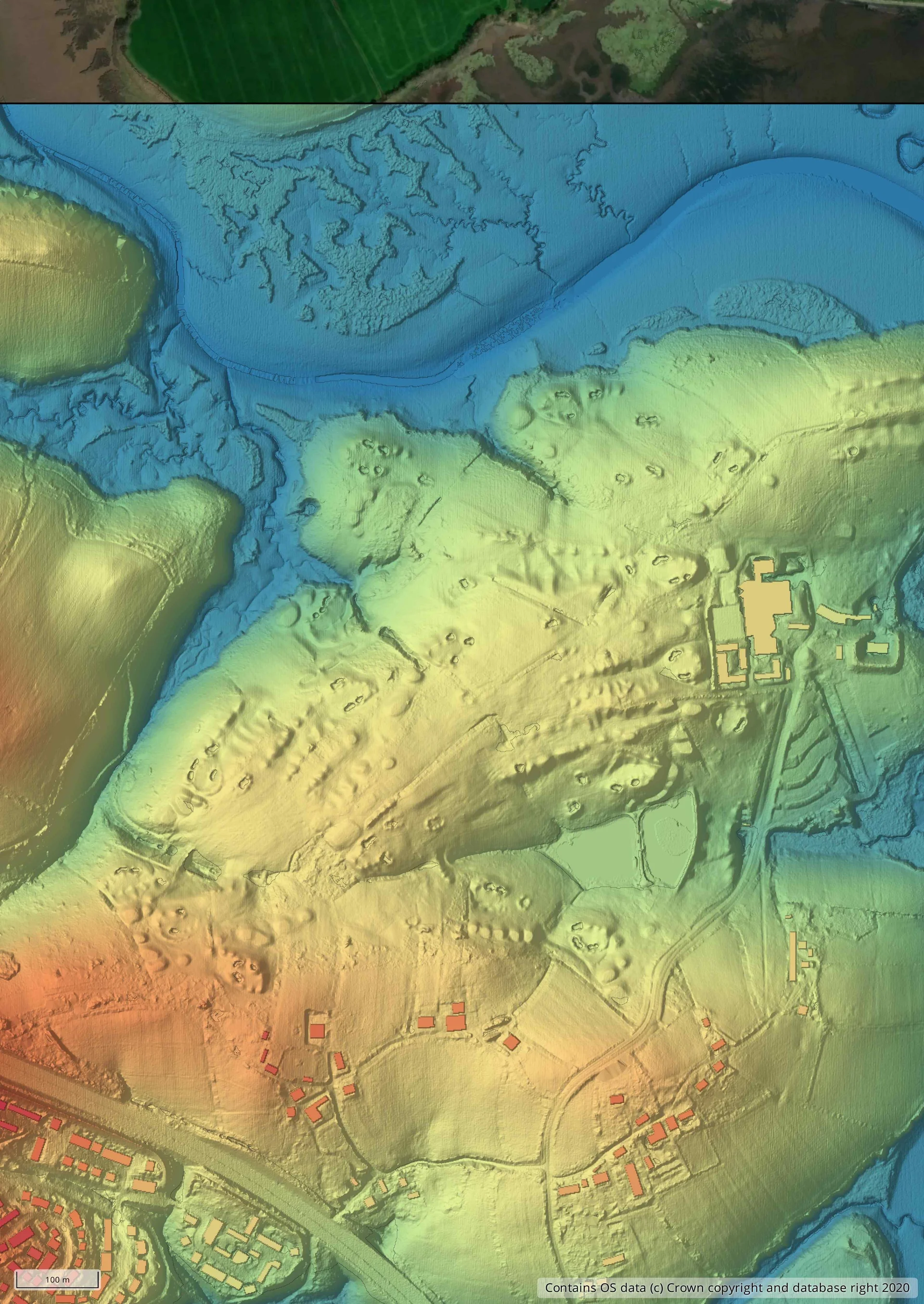
- Topographical survey
- Hydrological survey
- Available drone or satellite imagery over time
- Information on underlying soils and rock
- Water supply
- Current supplier and usage of water
- Water quality test results
- Any licence records or regulations that need to be adhered to
- Potential future supply issues
- Turfgrass water consumption
- Water use records (split into month and areas)
- Non-turf water use
- Records of clubhouse and associated facility water use
- Current irrigation system (see audit section for detailed information)
- As-built plans including all pipework, electrical wiring, head location and valve boxes
- Specification of system
- Age and description of system including observations, tips, user experiences
- Records of maintenance and auditing (maintenance log)
- Power consumption
- Soil and turf monitoring records, i.e. soil moisture maps
- Description of irrigation practices
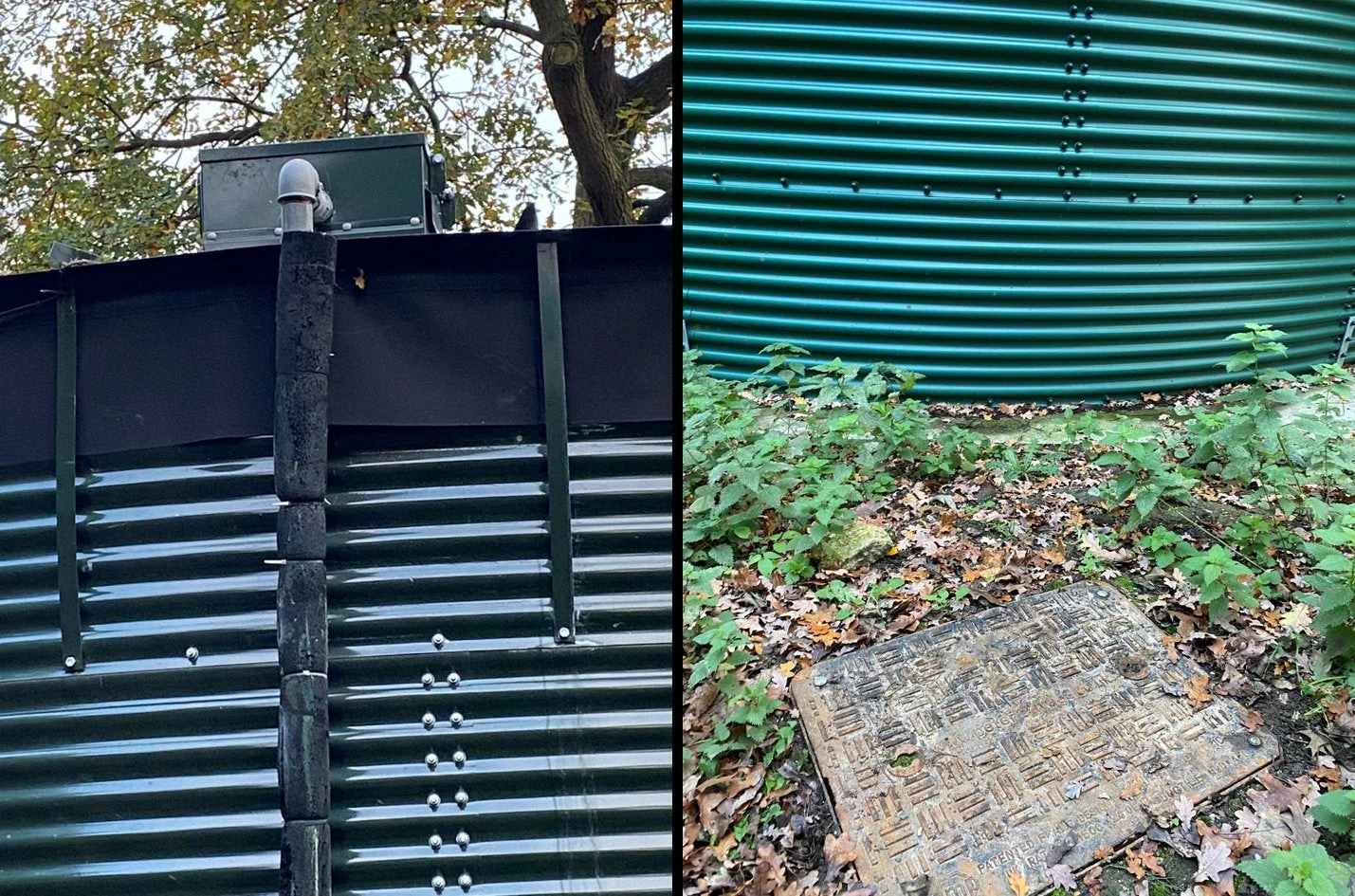
- Current water storage on site (age, volume, issues)
- Turfgrass and site maintenance
- Management works which may reduce water usage, i.e. species composition change, or ecological improvements
- Financial records
- Costs of irrigation system maintenance
- Water bills
- Drainage and irrigation capital works
- Water disaster mitigation plan
- Compromise of water supply
- Site flooding
Records of all course improvements
- Images
- Description of work carried out and by whom
- Plans, dates and specifications
- Members' feedback
- Strength, Weaknesses, Opportunity and Threats (SWOT) analysis of all of the above. This will help the club determine future short and long-term improvements and any risks
2. Short-Term Improvements
A detailed list of short-term improvements which can be made to the golf course. These should link into the longer-term improvements and aspirations to prevent work being carried out which is then superfluous in a few years' time. This allows the club's management to continually monitor improvements made to the course and how these fit into the long-term goals of the club. It also provides readily available evidence to members of work being conducted. This can include, but is not limited to:
- Reduction in water use from altered maintenance practices
- Conduct full review of potential water sources
- Localised drainage improvements
- Small-scale irrigation upgrades, i.e. nozzle replacement, repair of pipework, new storage facilities
- Site wide water reduction and monitoring
- Pond creation
- Localised water harvesting
- Members educational work on likely impact of future water limitations
3. Long-Term Improvements and Aspirations
Long-term goals should be listed in order of priority. These should be agreed on and timescales set against them to allow the club to efficiently progress and budget for them. Accurate cost estimates, development time, capital payback period and the risks associated with not carrying out the works should be placed against each option to help ensure that the club is fully aware of the implications of committing to, or not committing to, each option. Things to consider include:
- Long-term projected water use budgets which take into account:
- Increase in future water use (climate change, system expansion)
- Leak rate of system
- Make-up of future water supply
- Site wide drainage masterplan incorporating water harvesting
- Future water supply investigation
- Feasibility report (in-house or from hydrological experts) detailing opportunities for water harvesting across the site
- Report detailing discussions with surrounding landowners for water harvesting collaboration
- Groundwater investigations
- River abstraction investigations
- Other water sources i.e. small scale desalination where appropriate and recycled grey or treated sewage water
- Large scale water storage, i.e. reservoir or large pond network creation
- Potential costs and construction timelines
- Planning permissions required and list of relevant reports required