Opening Golf to the World
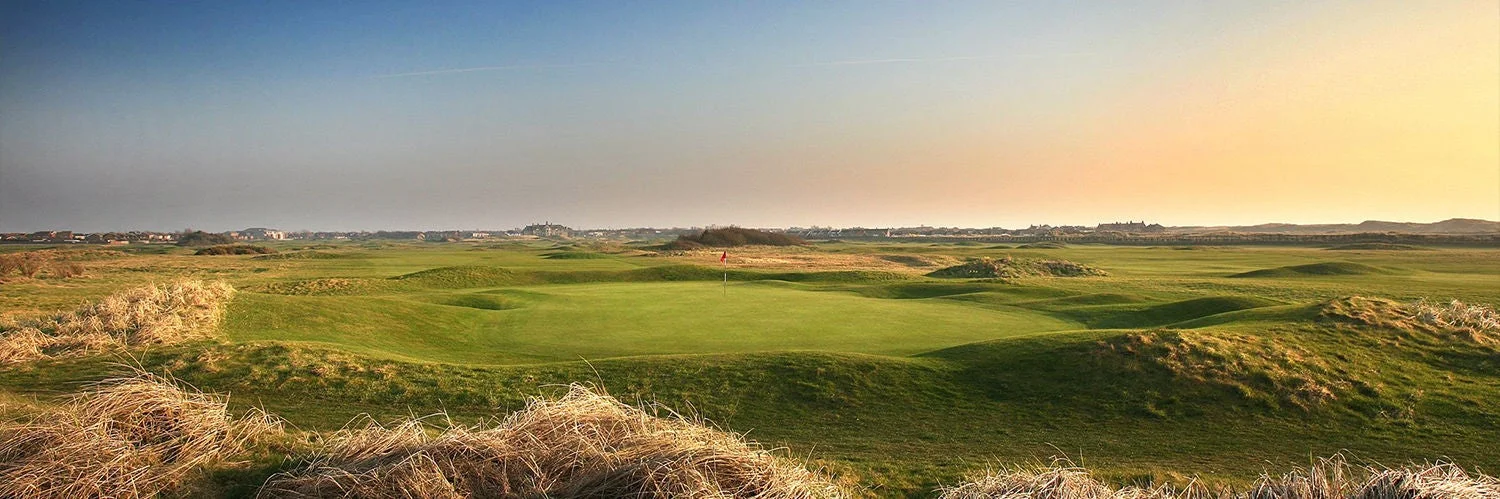
St Annes Old Links
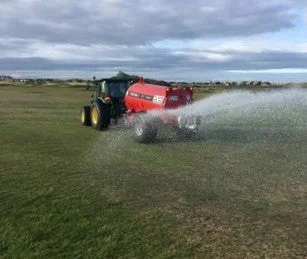
The team at St Annes with the assistance of STRI and EPG upgraded an old disused surface well using a novel modular building technique. This allows the Club to access a supplementary source of 'free' water, increasing water available to hand water fairways and target areas throughout the year.
The 2018 summer heat stress conditions became a critical turning point for so many courses including St Annes Old Links Golf Course. The Club's automatic irrigation currently sources mains water for watering greens, aprons and tees. The irrigation system is 20 years old and has had 'add-ons' over time, but it is far from a comprehensive system and there is a strong reliance on Links Manager Greg Welling's greenkeeping team hand-watering localized dry and hot spots around the course. Water is responsibly managed, but there is simply not enough capacity in mains water transfer available to deliver the volumes needed for the wider area coverage required to support the ongoing recovery through fairways.
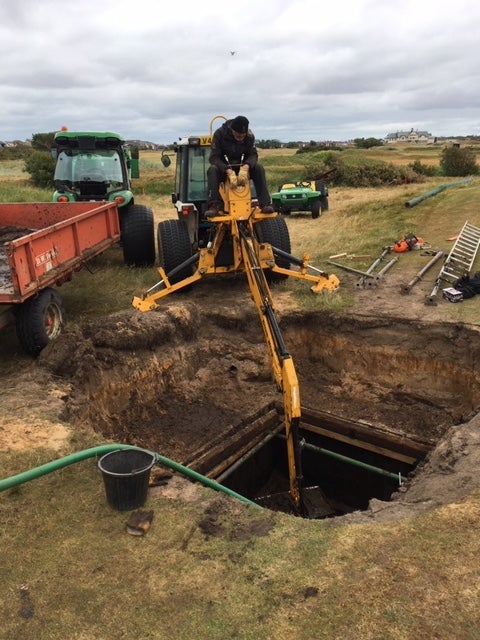
Greg recalled seeing the use of Permavoid geocellular units demonstrated at an STRI Research Open Day. In that research example, Permavoid was used as a drainage layer in a passive capillary-irrigated sports pitch design, but the versatility of this lightweight and structurally strong material offered a possible solution to secure the well. This option was discussed with STRI and handed over to EPG (Environmental Protection Group), an STRI-Group partner. Paul Culleton, Director and Design Engineer presented a design based on the dimensions of the well with Permavoid manufacturer Polypipe providing the materials required for the infrastructure. EPG, Polypipe and STRI were keen to support the Club in the interests of supporting this R&A Golf Course 2030 Water Management project case study. Dr Tom Young, STRI Technology Research Manager explains "this simple solution was an easy fit for bringing new technologies into golf and secure a valuable natural water resource for the links. There are several other opportunities seen across the course and we look forward to assisting the Links Manager with the future changes that will develop a sustainable water management system".
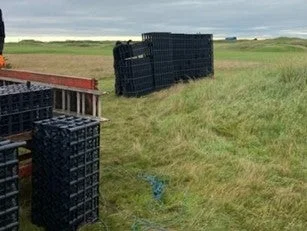
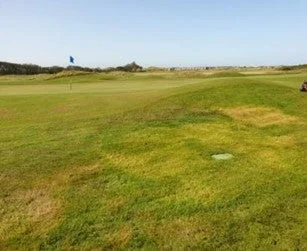
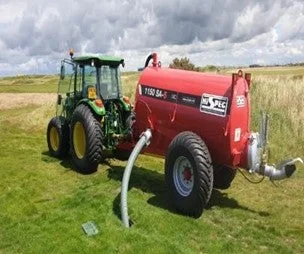
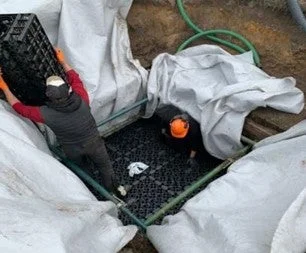
The design was a simple build and lock together process to construct the tank and wrap in a geotextile fabric. The process was very simple with all materials being light to transport and lower into the well. A central oval chamber allows for the bowser hose to fully access the sump and draw clean water. Surface restoration was similarly simple with the well immediately secured. Native topsoil and turf completed the repair and return to play as soon as the turf established. The finished solution continues to serve the purpose of accessing this valuable water source and enable play and maintenance to continue with nothing more than an irrigation control box being visible at the surface, acting as an entrance lid to the well.
Head Greenkeeper Greg Welling comments, "The old wells at SAOL have been in-situ for many years. Prior to automatic irrigation, the wells were used as a watering source for the greens. Over time, and with investment in automatic irrigation, the wells became a redundant facility. Despite this, the licence to extract water from them, has always been maintained by the Club as it seemed prudent to keep access to the water should the Club ever need it. When the roof gave way on the well at the 14th green, it presented a significant challenge. Obviously, it was an opportunity to access water, which previously we had not been able to extract, but from a safety perspective, the structure needed significant reinforcement to cope with the approx. 8-9T of weight from a fully laden tractor and bowser. With reasonable water table conditions, the capacity of the well would allow us to extract between 5-10m3 per day, which increases our daily watering capacity on our fairways by 10-20%. We felt, given that yield, it was a viable project to undertake. Certainly, as a pioneer project, it would give us a chance to assess whether we could access more wells on site in the future.