Opening Golf to the World
Greywater
Greywater is wastewater produced within buildings which does not have human or animal waste/contamination.
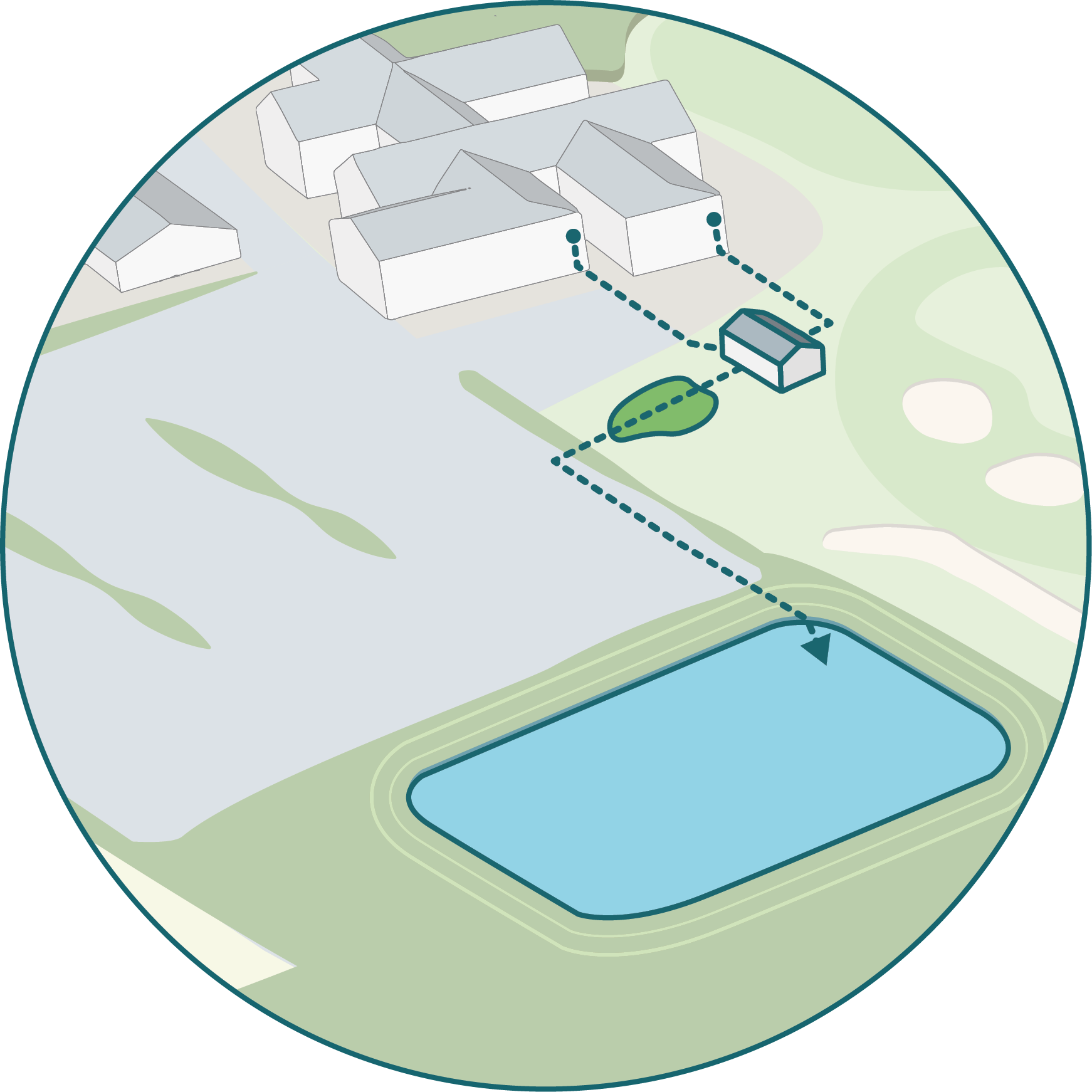
Grey water is wastewater produced within buildings which does not have human or animal waste/contamination. Wastewater from sinks, showers, washing machines, dishwashers and machine washdown are the most common sources of greywater. Toilet water is not considered to be greywater.
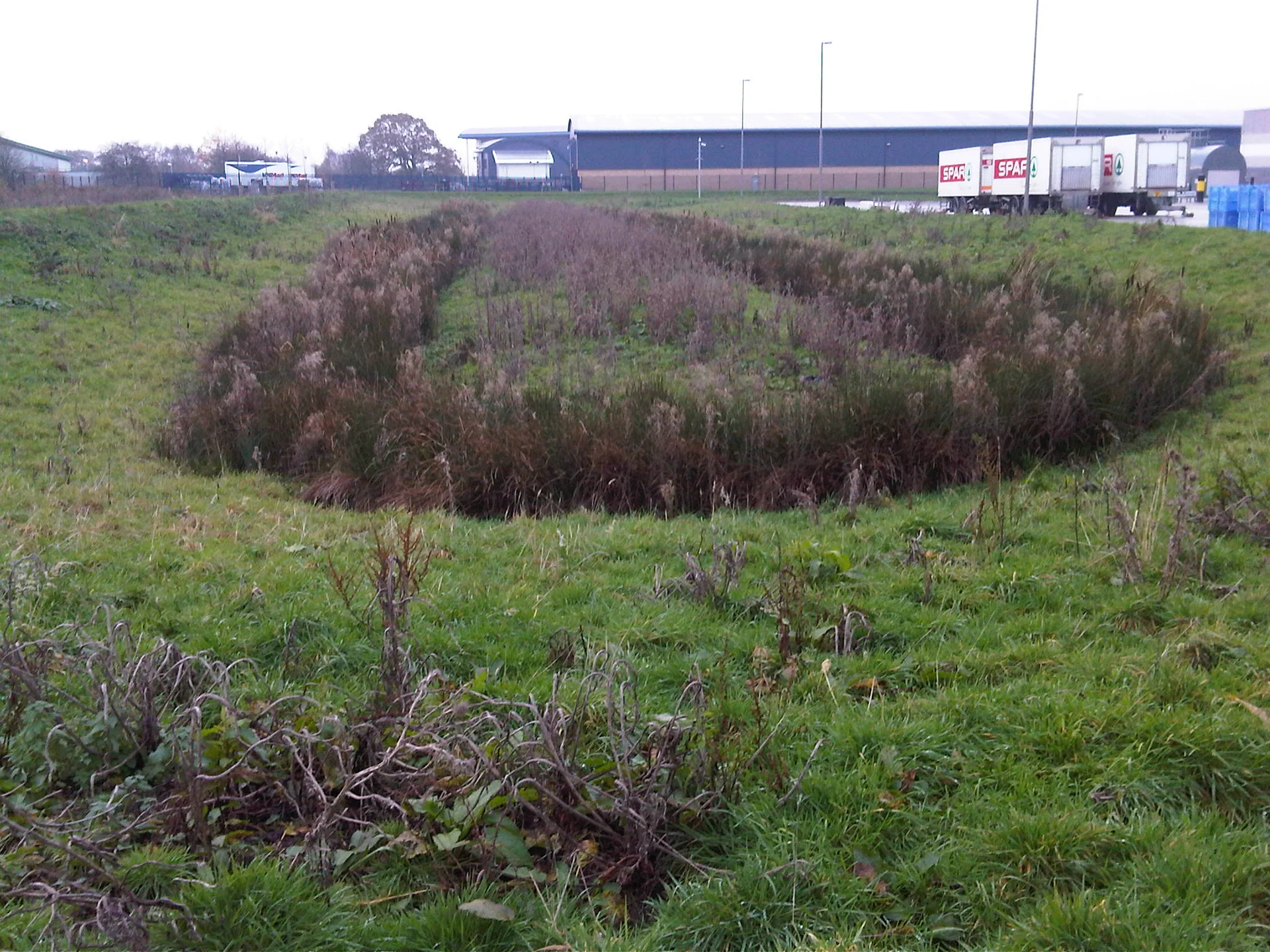
70-80% of all wastewater created in an average building can be greywater. Greywater will contain traces of food, dirt, grease and cleaning products and should never be considered for drinking, but can be used to supplement non-potable water sources. Greywater should be treated prior to use, with its end use determining the level of treatment required. Ideally, grey water should be treated immediately before storage to prevent fouling of water. The required treatment level will depend on the quality of greywater, but will likely include physical filtration, reedbed/biological treatment and UV sterilisation. Any stored untreated greywater should be constantly recirculated to prevent issues developing with the water
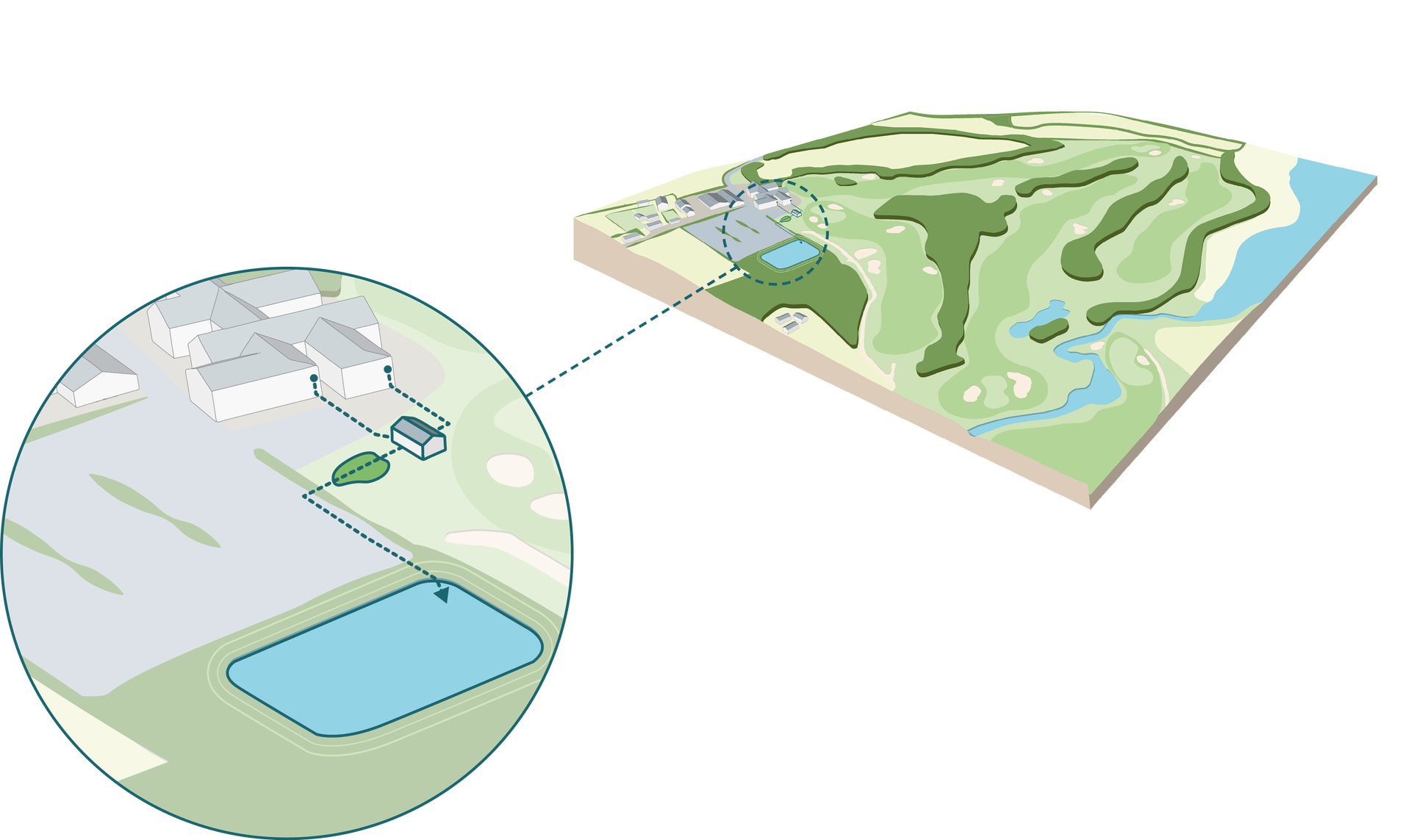
The volumes of greywater generated is golf club specific, with courses which have larger clubhouse facilities, accommodation and other leisure facilities on-site generating higher quantities of greywater. A greywater site review should be undertaken to evaluate and conduct the following:
- Potential volume of greywater
- Treatment required to be used as irrigation water
- Storage requirement of water
- Logistics of transporting water to treatment and storage site
- Cost-benefit analysis to establish capital cost repayment time
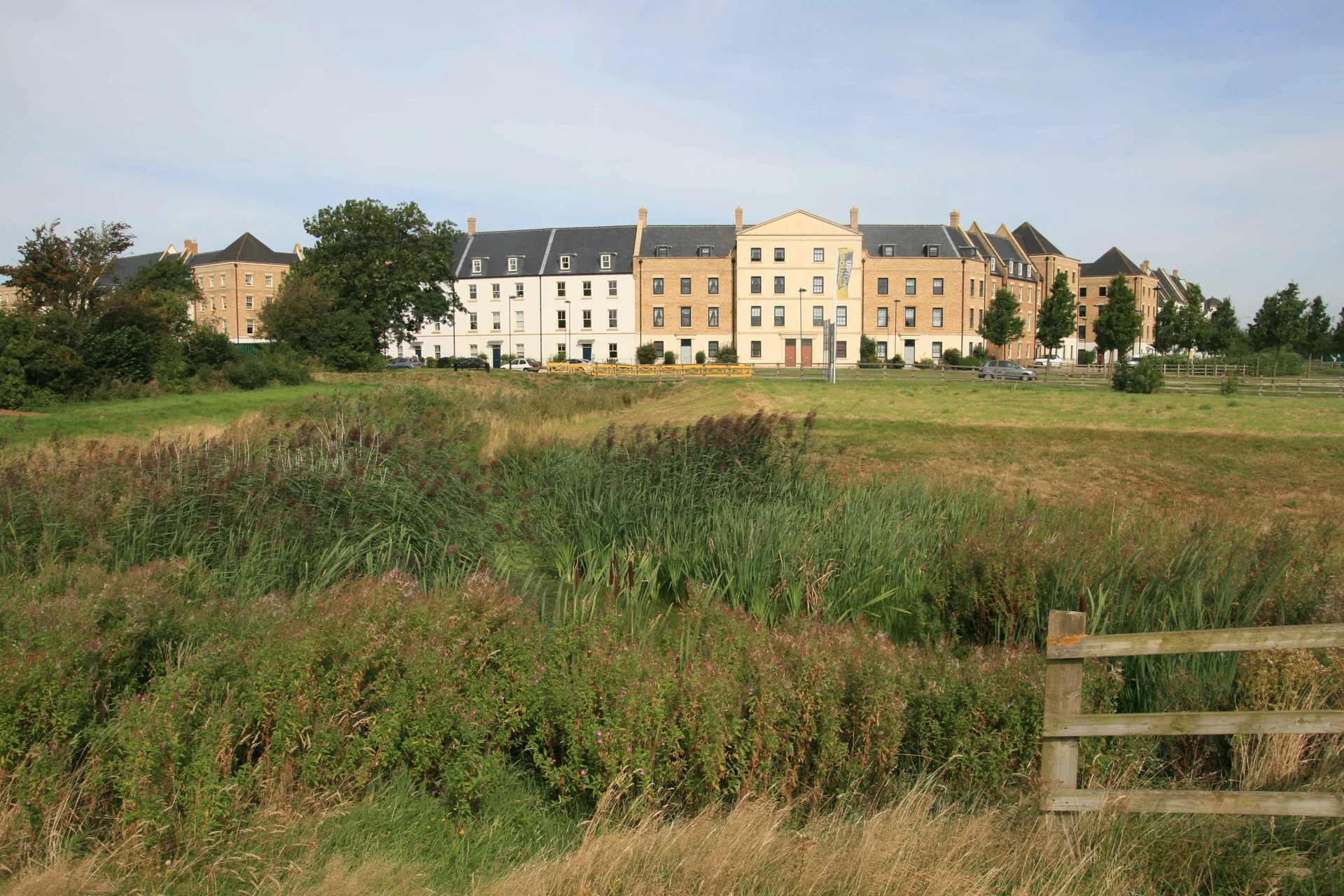
Greywater can be used in the following ways:
- Irrigate indoor plants
- Fill the header tank for toilet flushing (typically a third of all household water demand is for toilet flushing)
- Irrigate the landscaped areas, for example by the clubhouse
- Top up main irrigation water supply