
Opening Golf to the World
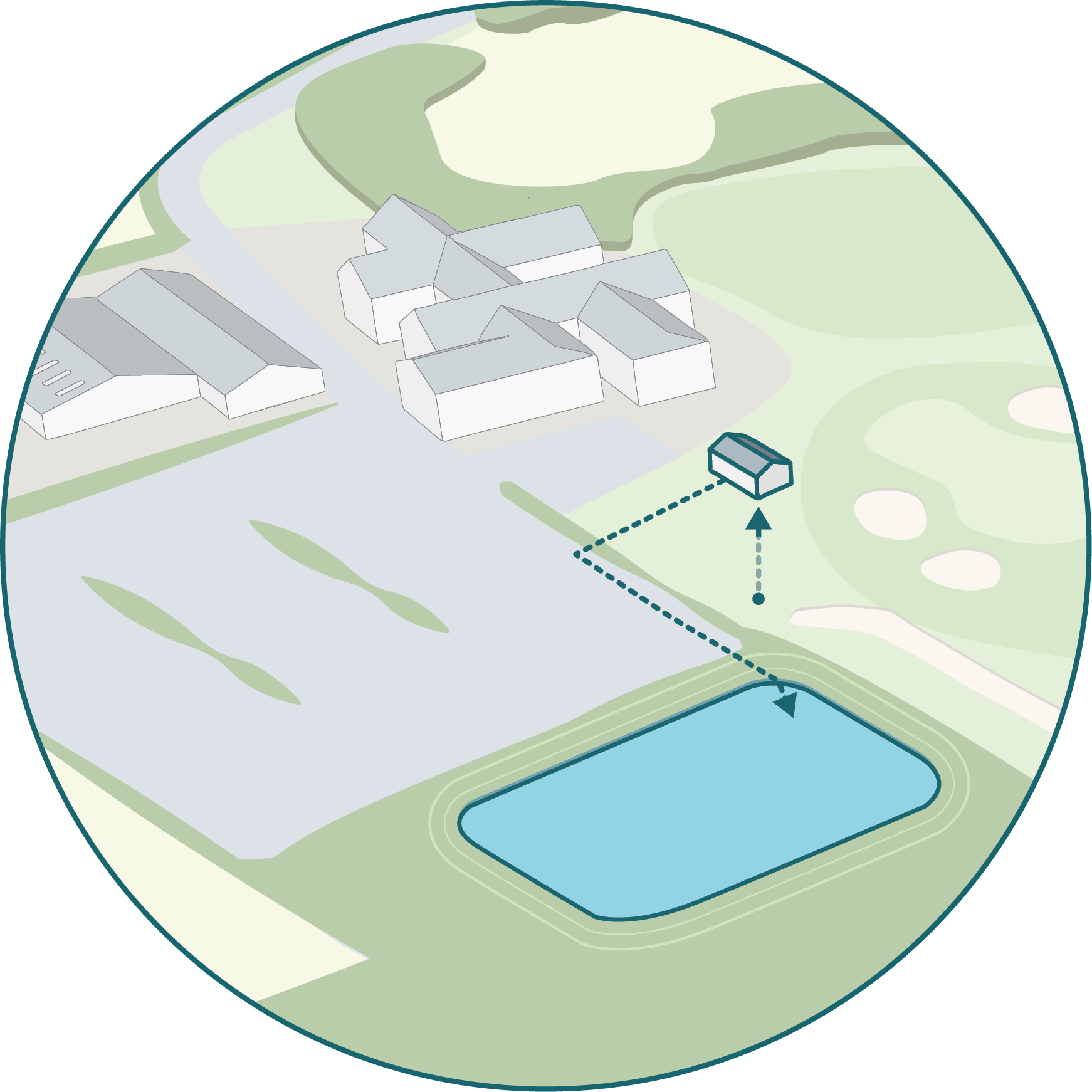
Borehole Abstraction
A borehole is a narrow shaft bored in the ground, either vertically or horizontally. The borehole can be used to extract and/or store water for later use.
A borehole is a narrow shaft bored in the ground, either vertically or horizontally. The borehole can be used to extract and/or store water for later use. To remove or abstract water from an underground source and take more than 20 m3 (approximately 4,400 gallons) a day, an abstraction licence will be needed. 20 m3 per day can be extracted without a licence, however it would still be prudent to check with the water licensing body as local restrictions may exist. If a licence is required then it is advised to get in contact with the water licensing body as soon as possible to discuss the proposals. Licences may be seasonal, i.e. winter or summer only abstraction, and all licenses require the user to keep accurate up to date records in order to assess usage.
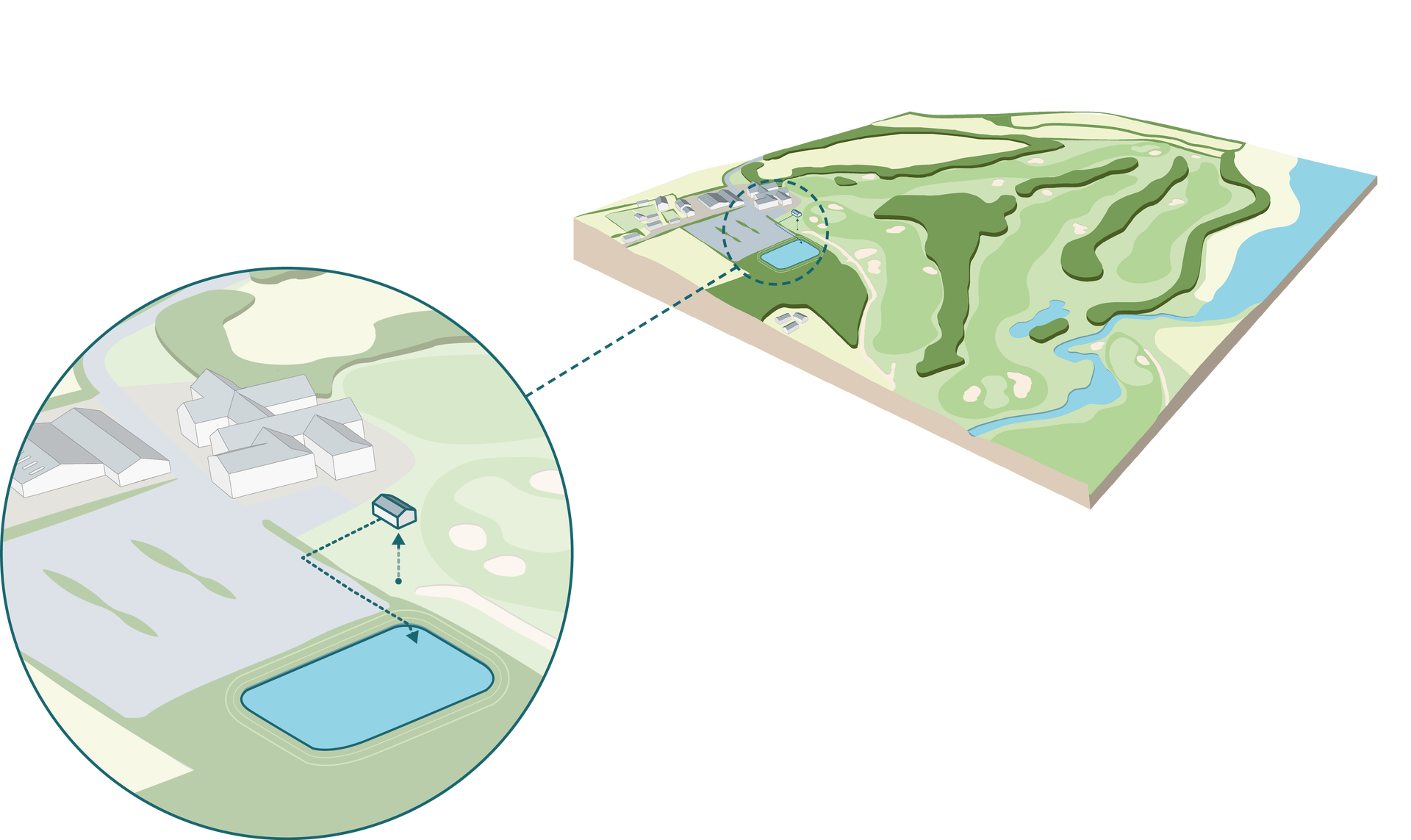
There are three types of extraction licence. These are;
- Full abstraction licence - for most types of abstraction over 20 m3 a day
- Transfer licence - for moving water from one source to another with no intervening use
- Temporary licence - over 20 m3 a day over a period of less than 28 consecutive days
- Groundwater investigation (usually over several months)
- Consent to connect and carry out pumping tests
- Details of water use and timings
The above information helps the water licensing body identify whether water is available and, by monitoring the surrounding sources and groundwater features, helping them assess the impact on other users and the environment. In addition to the above, an analysis of pumping test results is required with a licence application, and in some cases it may be necessary to advertise an application which will need to be paid for by the applicant.
A water licensing body aims to take 13 weeks to process applications from the date of acceptance. If the application is granted, an annual charge for the amount of water authorised to abstract will be liable. The charge is also dependent on what the water will be used for.
A licence will not guarantee the quality of the water or that the allocated amount will always be available. The quality and quantity of the water will depend on the weather, climate and other uncontrollable factors. More information can be found here.