
Opening Golf to the World

The Castle Course, St Andrews
Since 2018, the team at The Castle Course have spent a huge amount of time upgrading and optimising their irrigation system. This has involved many hours of fine tuning the system and taking a large number of soil moisture readings each day to ensure that areas are not over or under watered.
St. Andrews Castle Course have invested heavily in their irrigation system since 2018 which has resulted in significant water savings as well as agronomic benefits to the course. A new pump set was installed in order to ensure consistent pressure across the course which allowed more even and predictable output and coverage. The main irrigation Toro control system was also updated to allow individual head control across the course. This can be done via a mobile app, allowing real time infield application by the greenkeeping team. This feature is frequently utilised by the team in combination with regular mapping of green rootzone moisture content. The team use the POGO weather system at least twice a week which can provide real time moisture mapping. This then informs the Castle Course team to selectively irrigate certain areas which may be drier than others. The team aim for a rootzone moisture of between 9-13% in order to challenge the turf but prevents undue stress during dry periods.

A significant programme of irrigation head replacement was also conducted at the same time. A number of inappropriate 360o heads were replaced with adjustable heads which can be between 10-360o where necessary. This saves water and also prevent excess watering of roughs and semi-roughs, allowing these areas to thin out and prevent excess growth. All these changes have allowed the course to realise water savings of around 7% (45m3) on each irrigation cycle.
Key Figures
Key Figures
- 26,769m3 2018 (April to Oct)
- 18,607m3 2019 (April to Oct)
- 15,365m3 2020 (April to Oct)
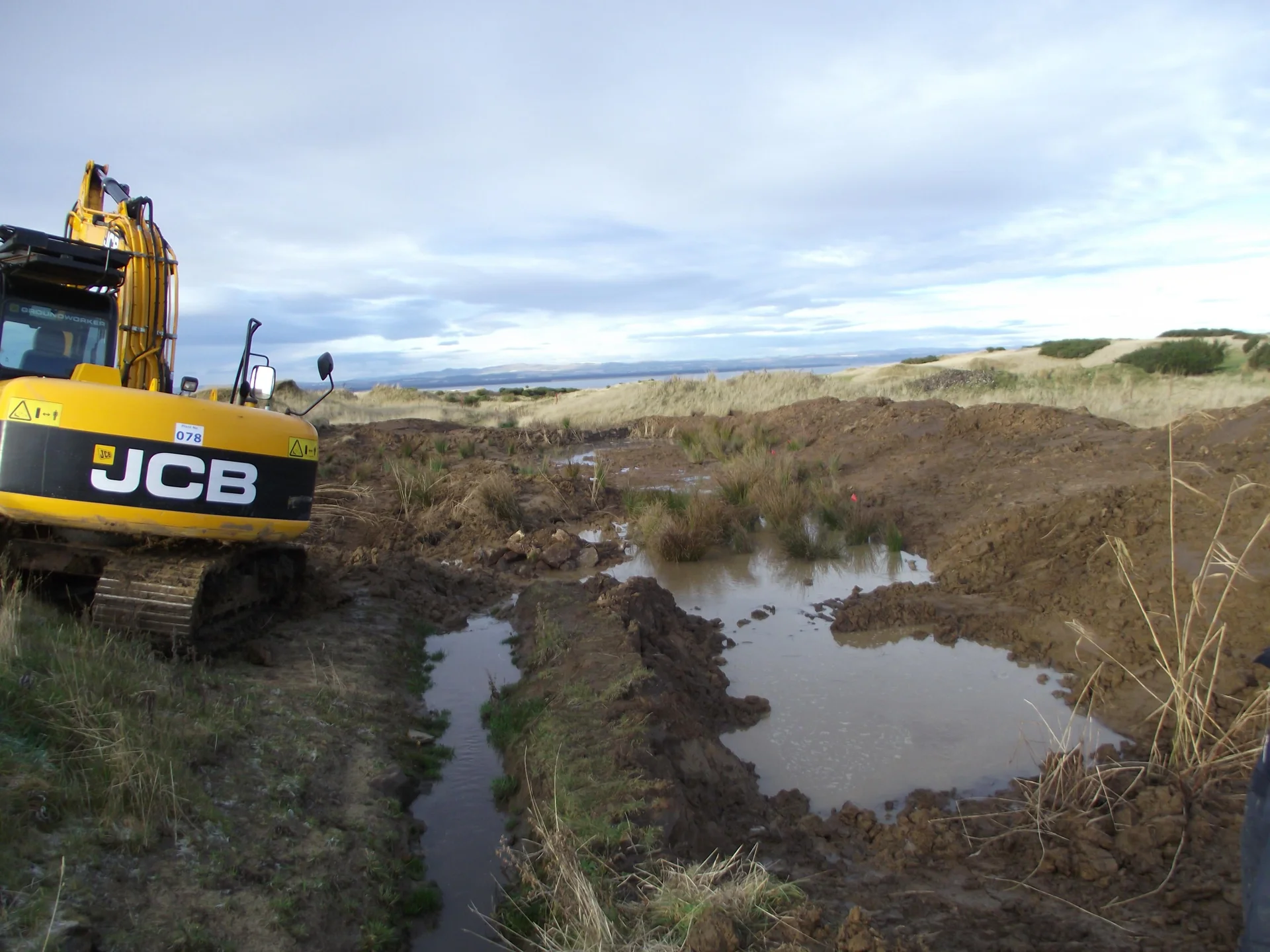
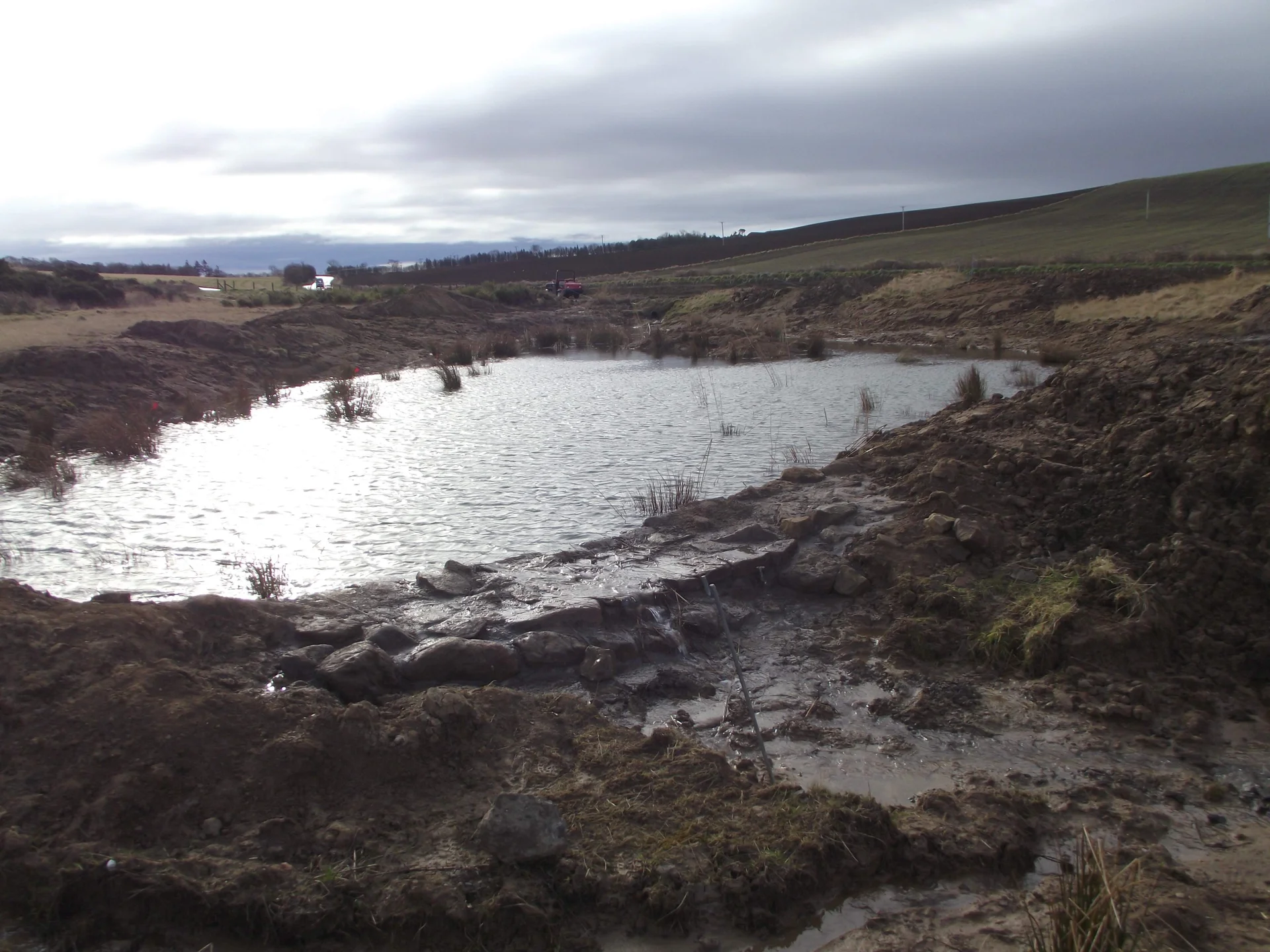
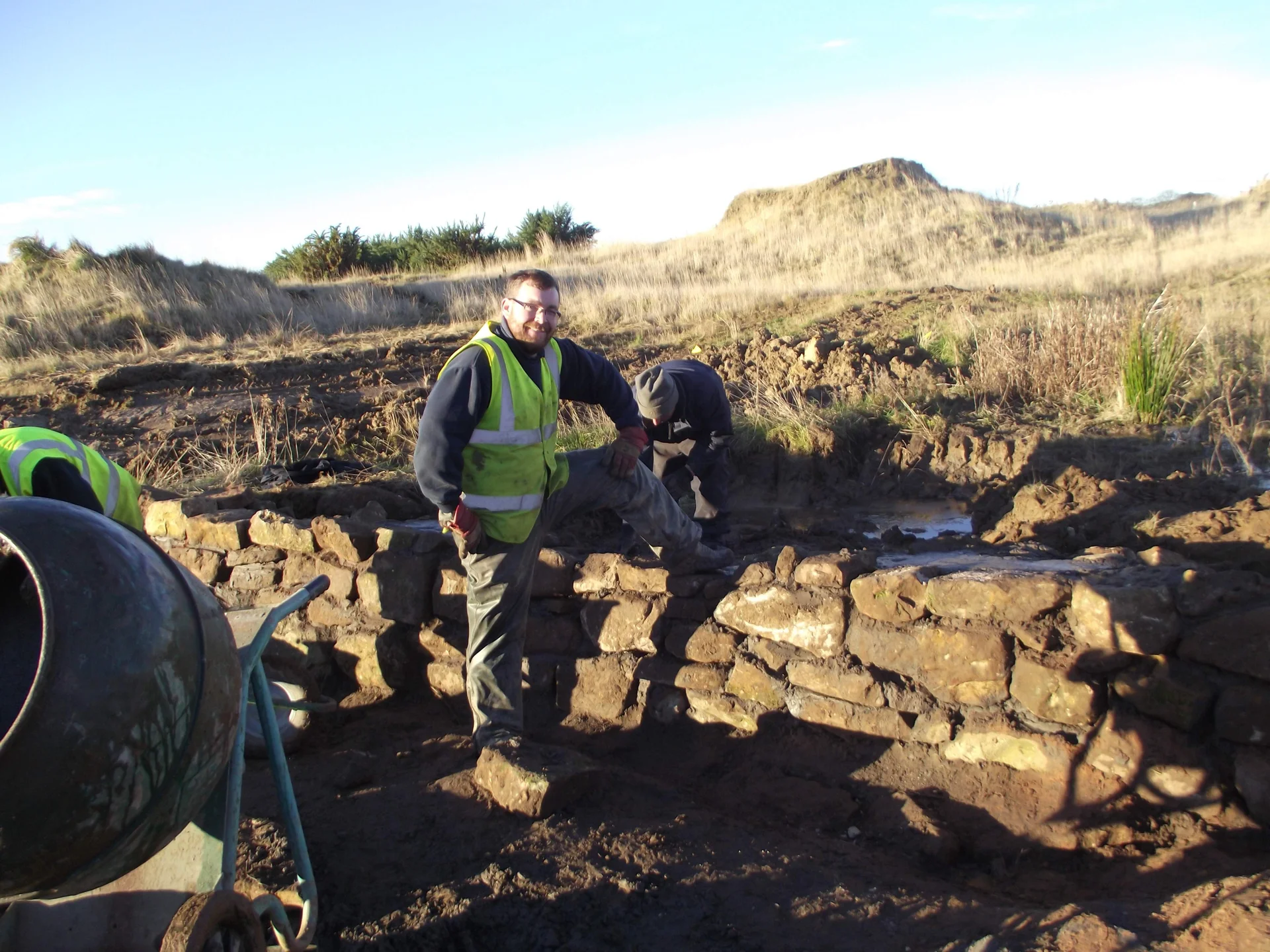
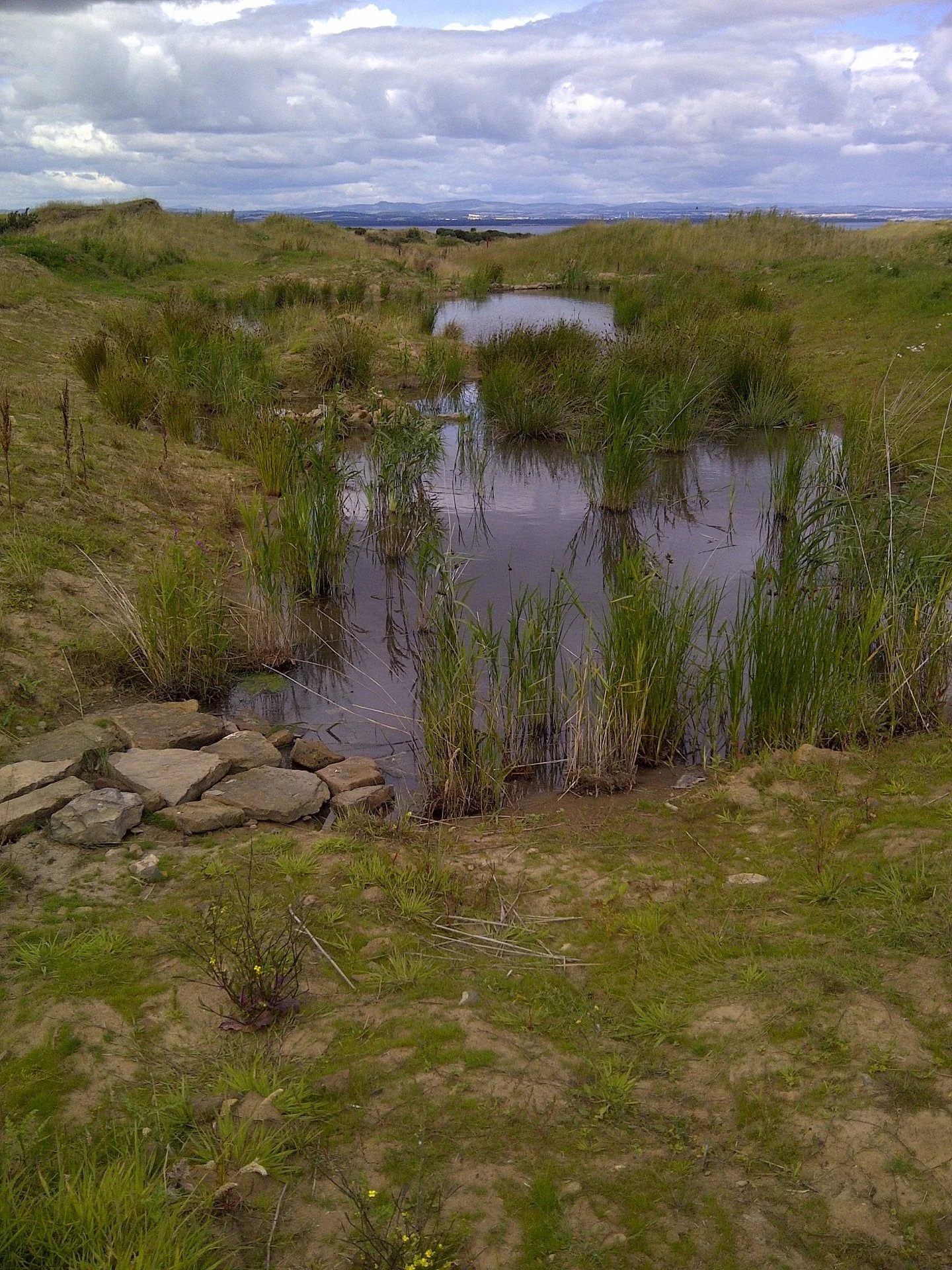
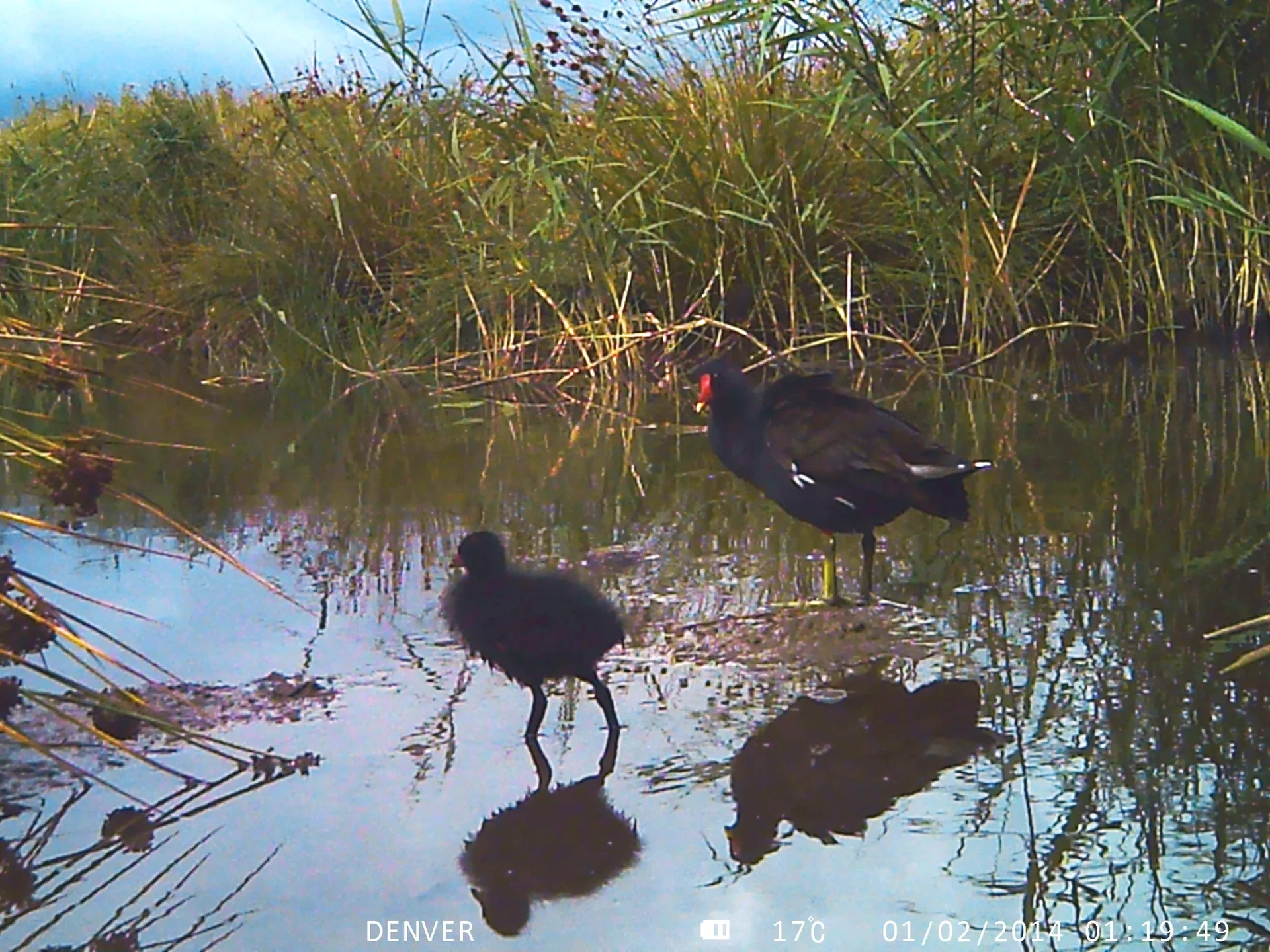
When the course was constructed around 15 years ago, it was envisaged that drainage water from adjacent farmland and the road would form a babbling brook across the course. Due to practical issues such as water provision and ground conditions this never came to fruition. Instead, Deputy Course Manager Trevor Harris was instrumental in turning the intended brook course into a large wetland area of around 1500m3, designed to prevent silt from the farmers' fields from entering the course drainage system. A simple weir was installed along with a few reeds from around the site, and the area has now grown so much that regular maintenance is needed to keep some reeds in check. A number of additional reed species (Bur and bull reed) have also since self-seeded into the system. The Club do not actually abstract any water from the system, but an independent university study conducted in 2020 has shown that the reed bed significantly cleans all the water entering from the road and farmlands, ensuring that the water leaves the courses cleaner than when it arrived.
If you would like more information or advice on these water security projects implemented at the St Andrew's castle course, contact details are found below:
Greenkeeper Trevor Harris:-
Email: trevor.harris@standrews.com