Opening Golf to the World
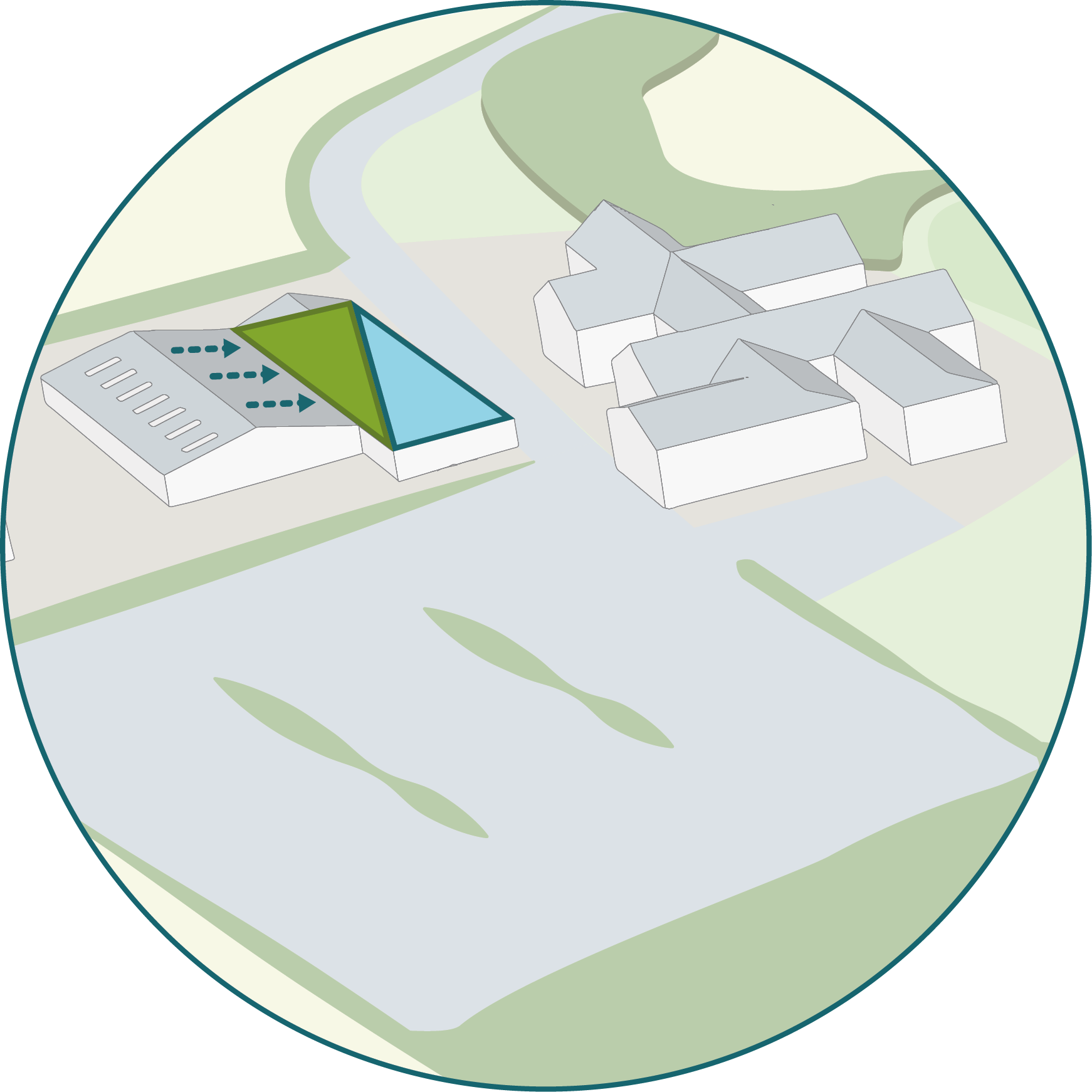
Blue and Green Roofs
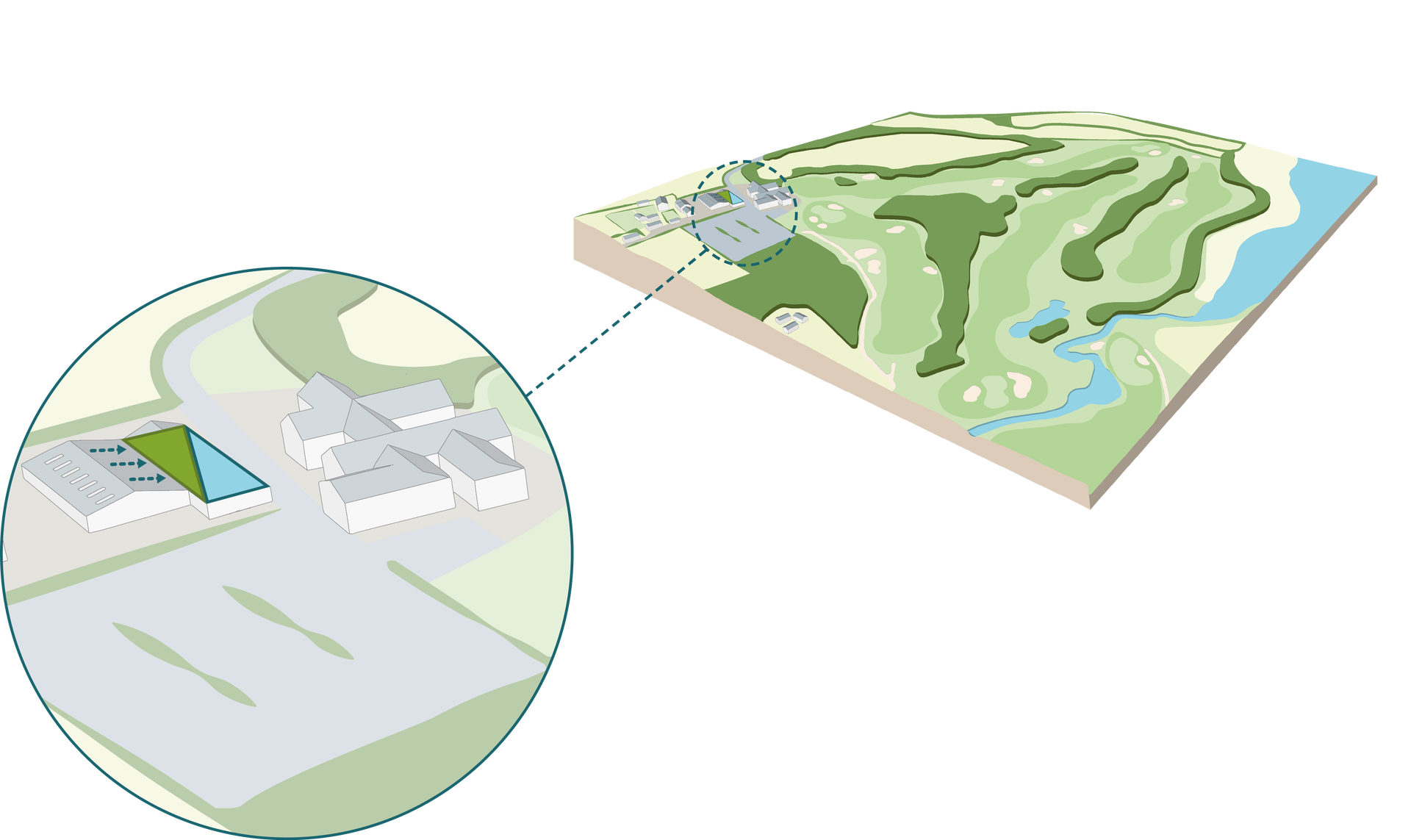
The built environment within a golf course, such as the clubhouse or greenkeeping facility, can be modified or designed to have blue and/or green roofs.
The built environment within a golf course, such as the clubhouse or greenkeeping facility, can be modified or designed to have blue and/or green roofs.
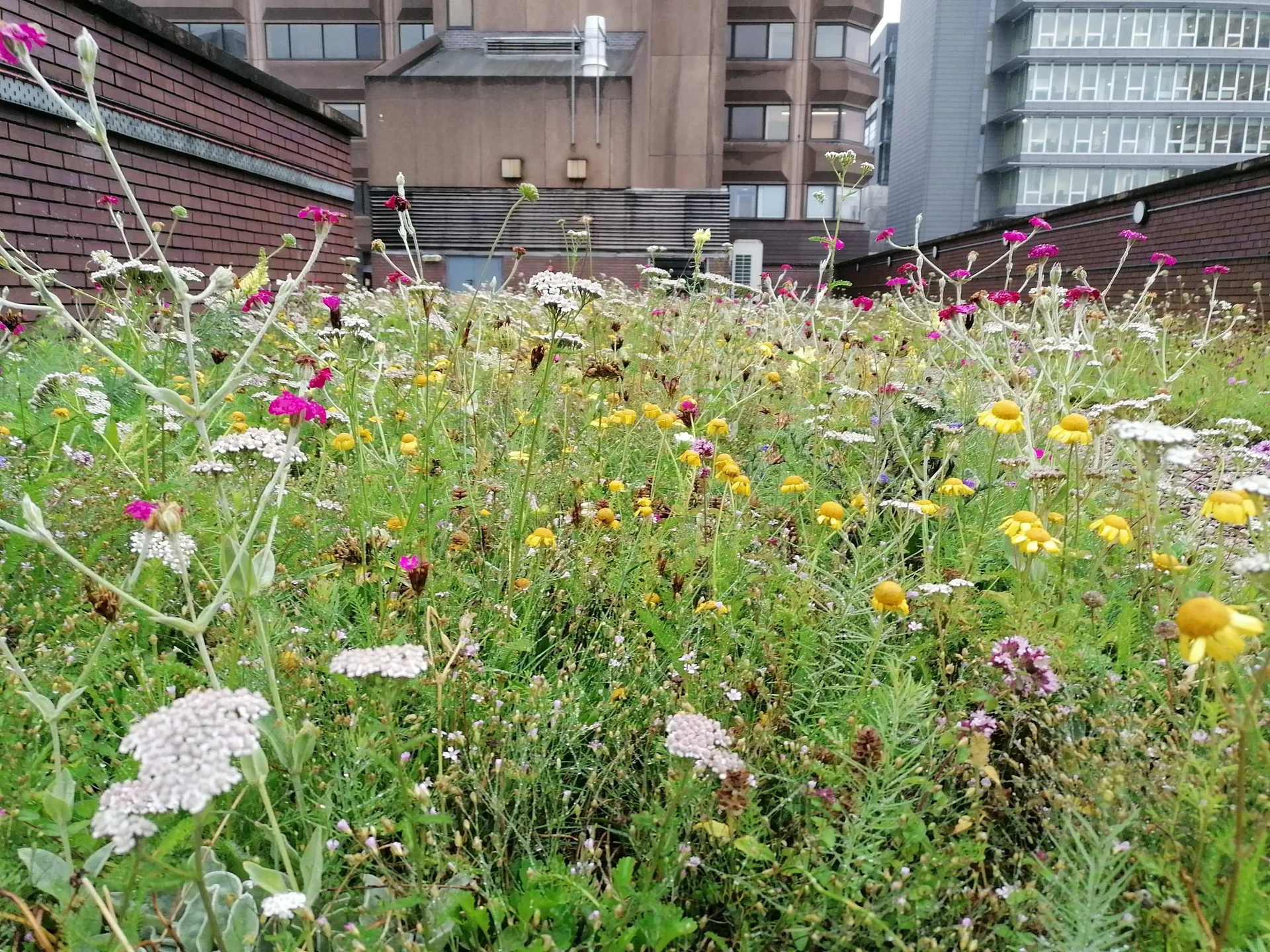
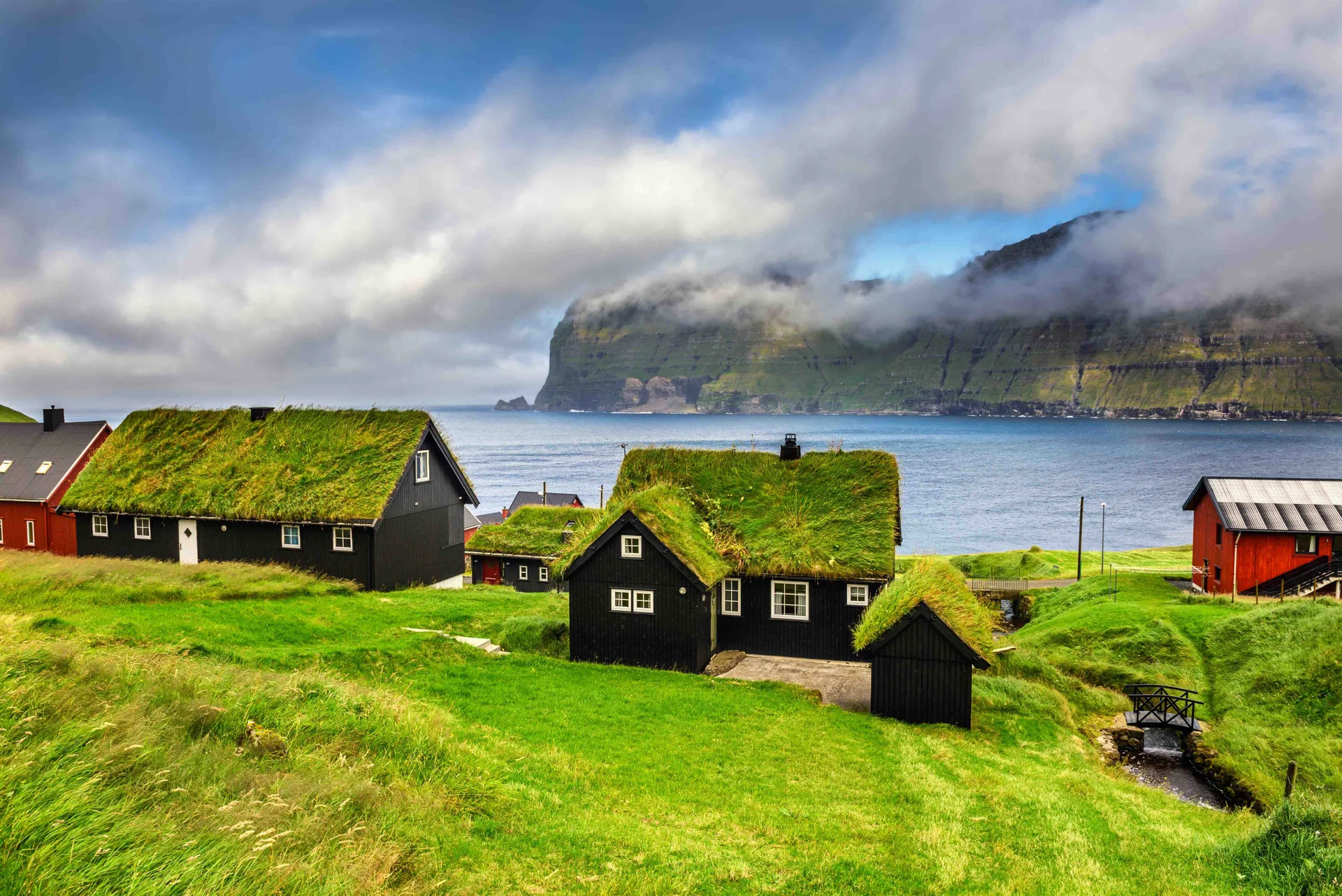
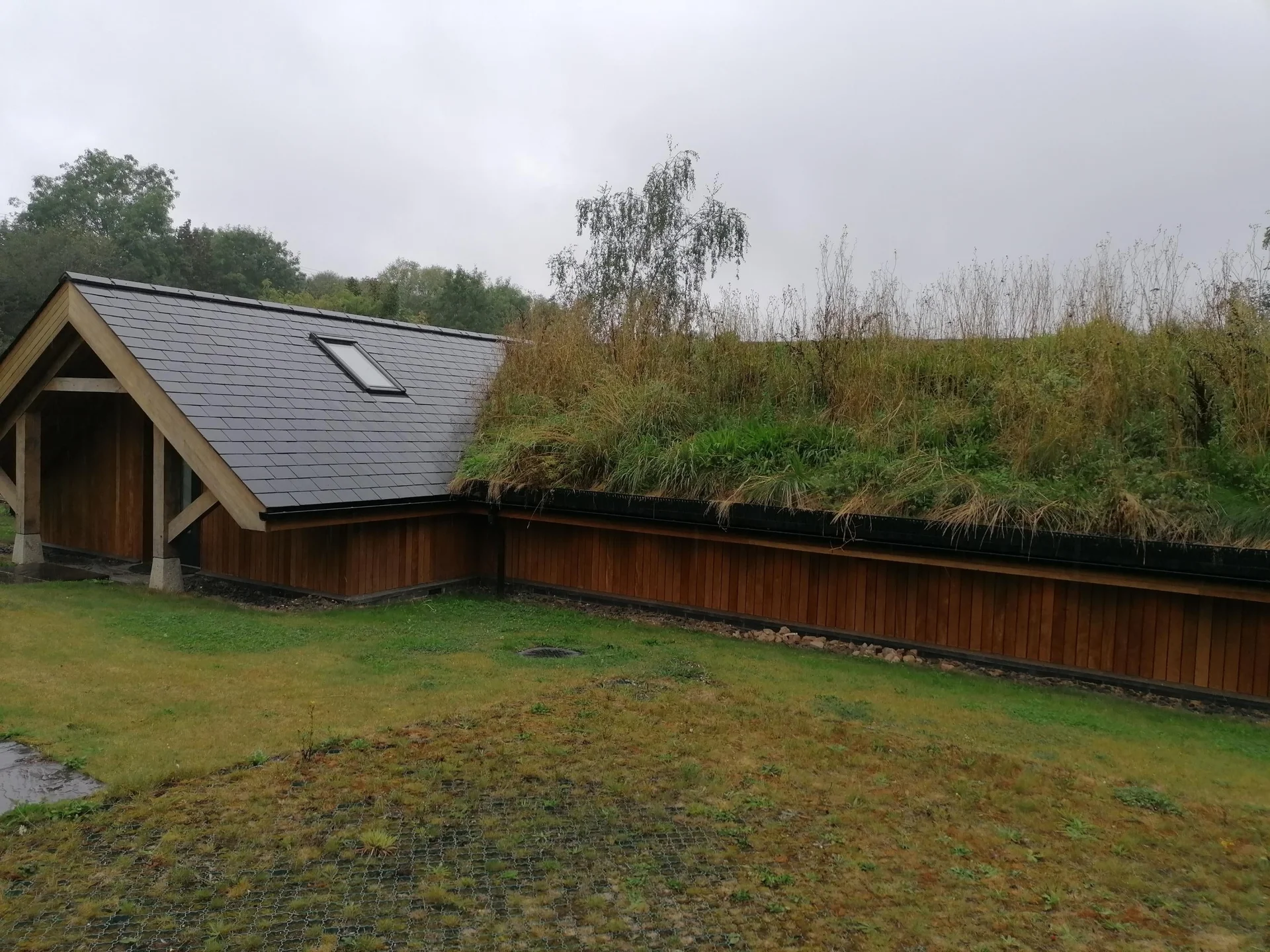
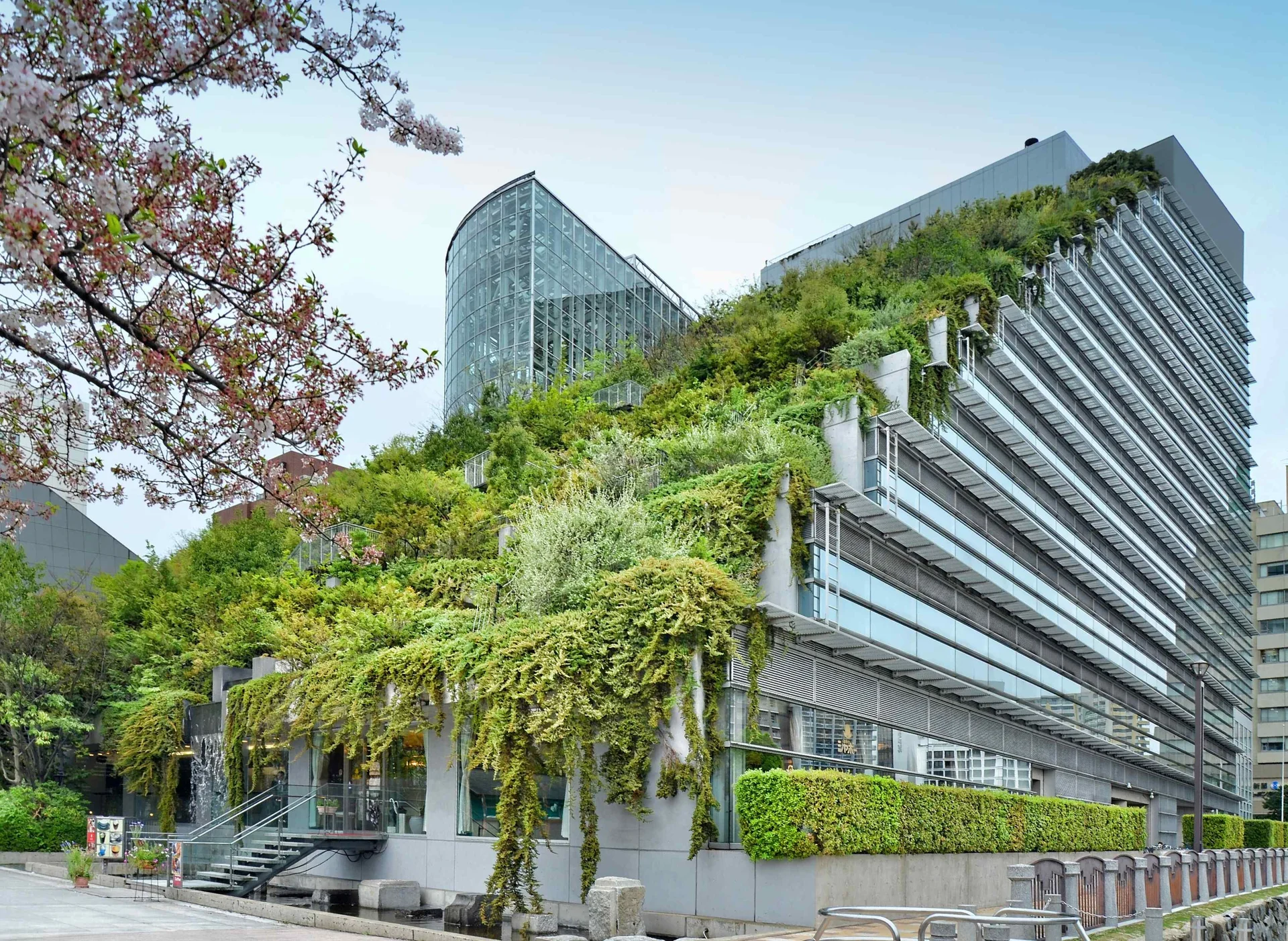
A green roof is a roof covered with vegetation. These often include a growing medium (substrate), planted over a waterproof membrane, incorporating drainage and irrigation systems. Green roofs slow the rate of rainfall run-off to the drainage system and can store a limited amount of rainfall. They also can make any building more aesthetically appealing, increase biodiversity and ecological value, assist with cooling and significantly increase the lifespan of a roof. Green roofs can be added to existing chemical stores, containers or sheds in-house, or can be more formally added to clubhouse buildings, for example, as part of a more formal design process.
There are two types of green roof systems:
- Extensive roofs which have a substrate depth of 80-150 mm and support slow growing, stress-tolerant plants such as succulents or native wildflowers.
- Intensive roofs which have a substrate depth of 150-300 mm and support a much wider range of typical landscape plants. Intensive roofs can also often act as terraces for people to spend time on.
A blue roof aims to store water on a roof with the aim of slowing down drainage flow from a roof and enabling reuse of water for other purposes such as localised irrigation. The incorporation of blue roofs on a building allows additional water to be captured, attenuated and potentially reused.
Blue/Green roofs provide cooling during the summer and insulation during the winter and can even increase the performance and output of solar panels due to the local cooling effect of the roof.
Blue/Green roofs are now being highlighted as best practice by Lead Local Flood Authorities (LLFA), Government agencies and utility companies who offer financial incentives for stakeholders to reduce the volumes of water being discharged into their network, of which blue and green roofs can assist.
It must be noted that blue/green roofs can be difficult to retrofit into a design.
Key design criteria:
- Waterproofing - must be green/blue roof compatible
- Structural integrity of building must be assessed - designs can be altered to make them more lightweight, but this is still generally a heavier load than most normal roofs
- 'Formal' system needs to be correctly designed by a professional to ensure industry guidance is met
- Detailed design is needed to ensure water can be safely stored and then removed from roof
- Adequate depth of substrate should be used to ensure long term health of vegetation
- Planting design must be carefully considered
- Ongoing maintenance demands need to be considered and clearly explained to the client