Opening Golf to the World
Rainwater Harvesting: Reservoir
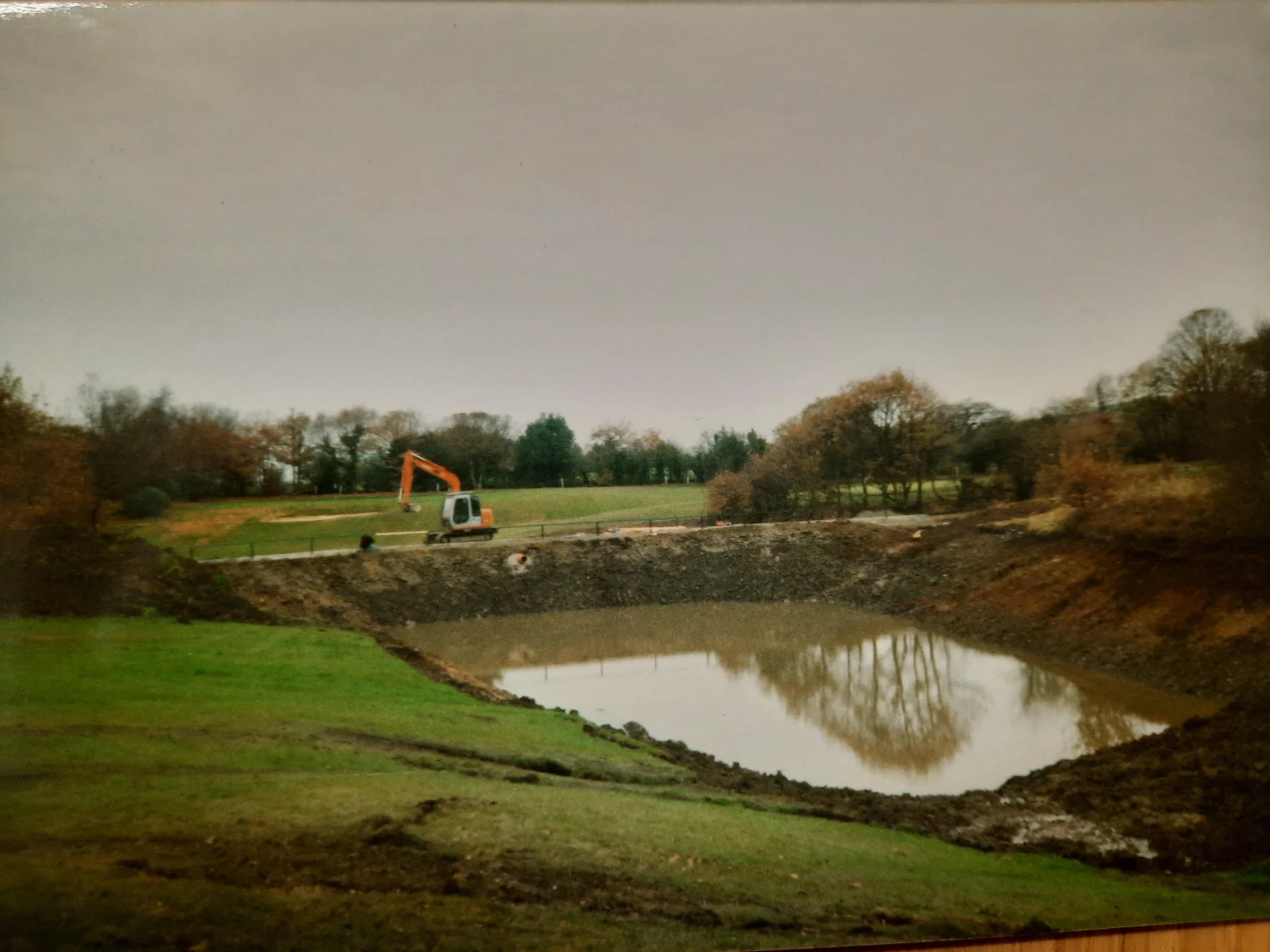
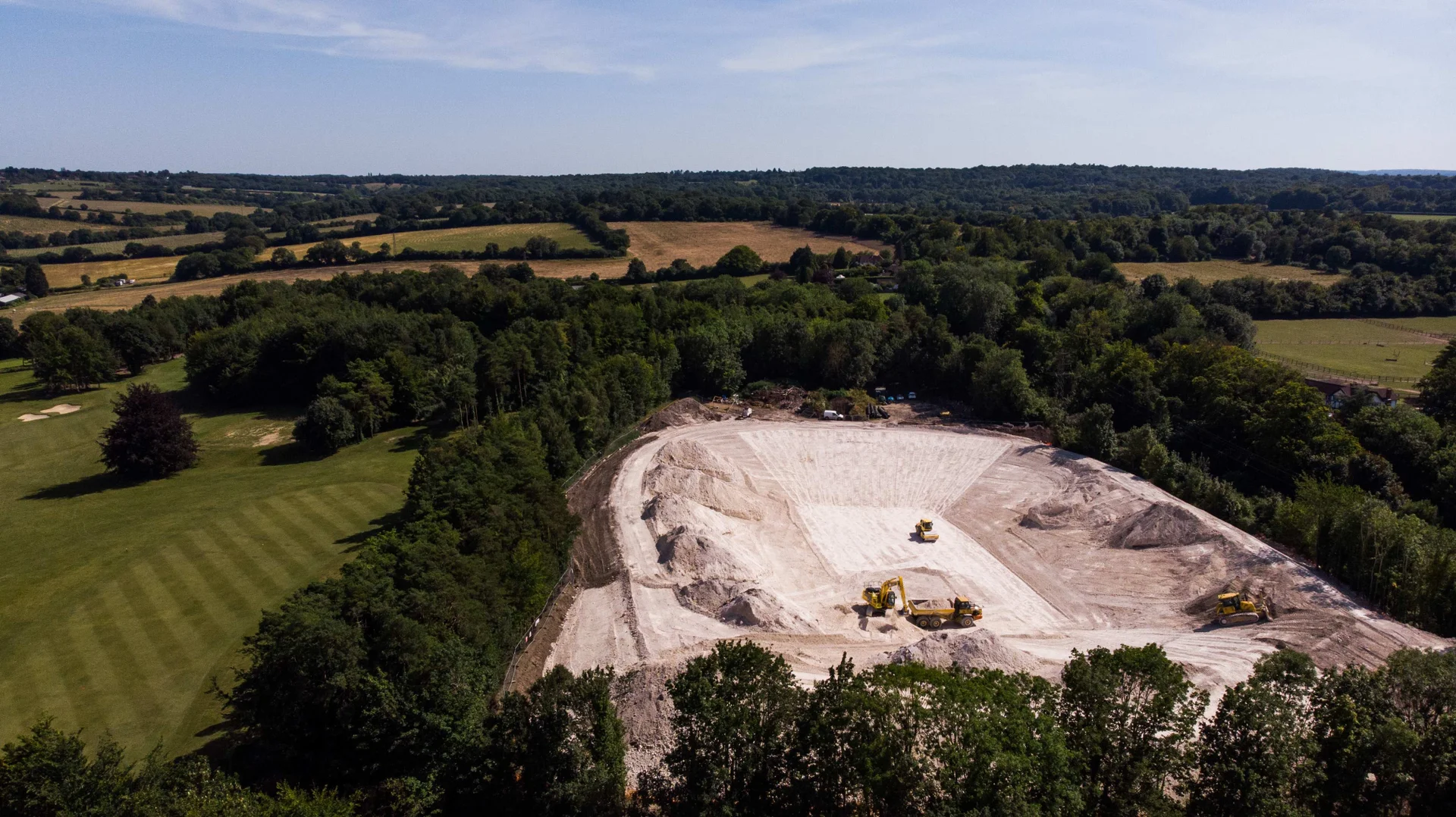
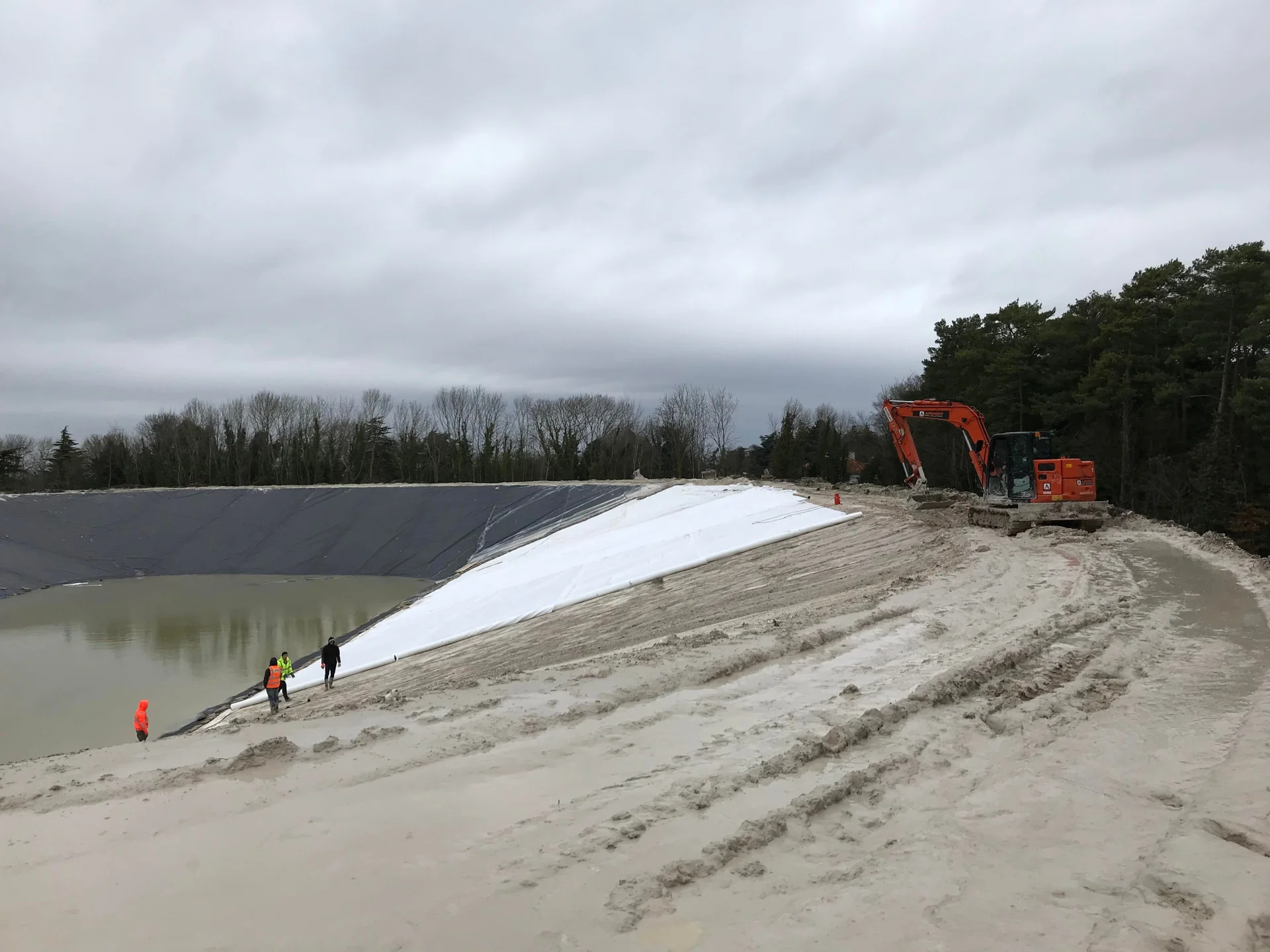
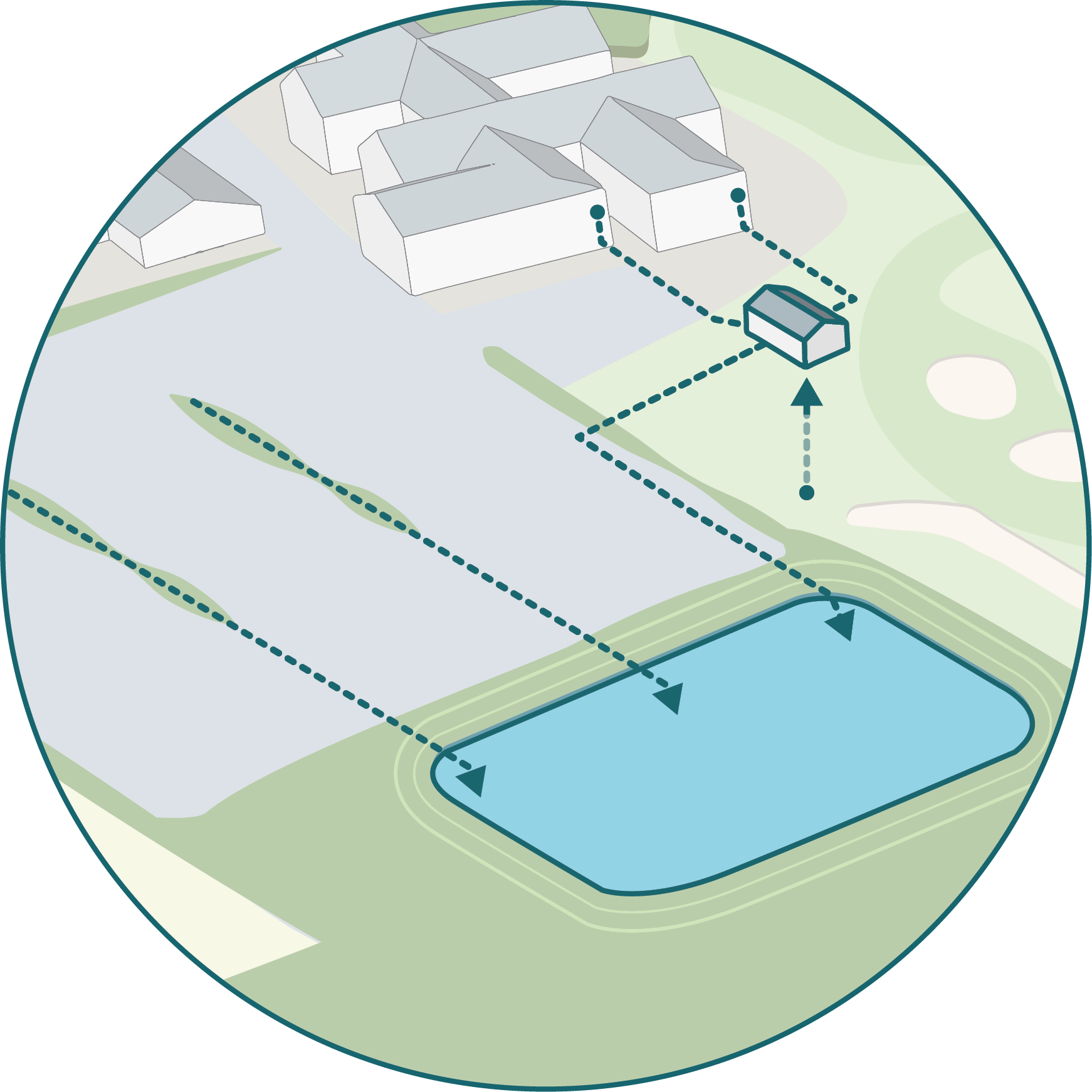
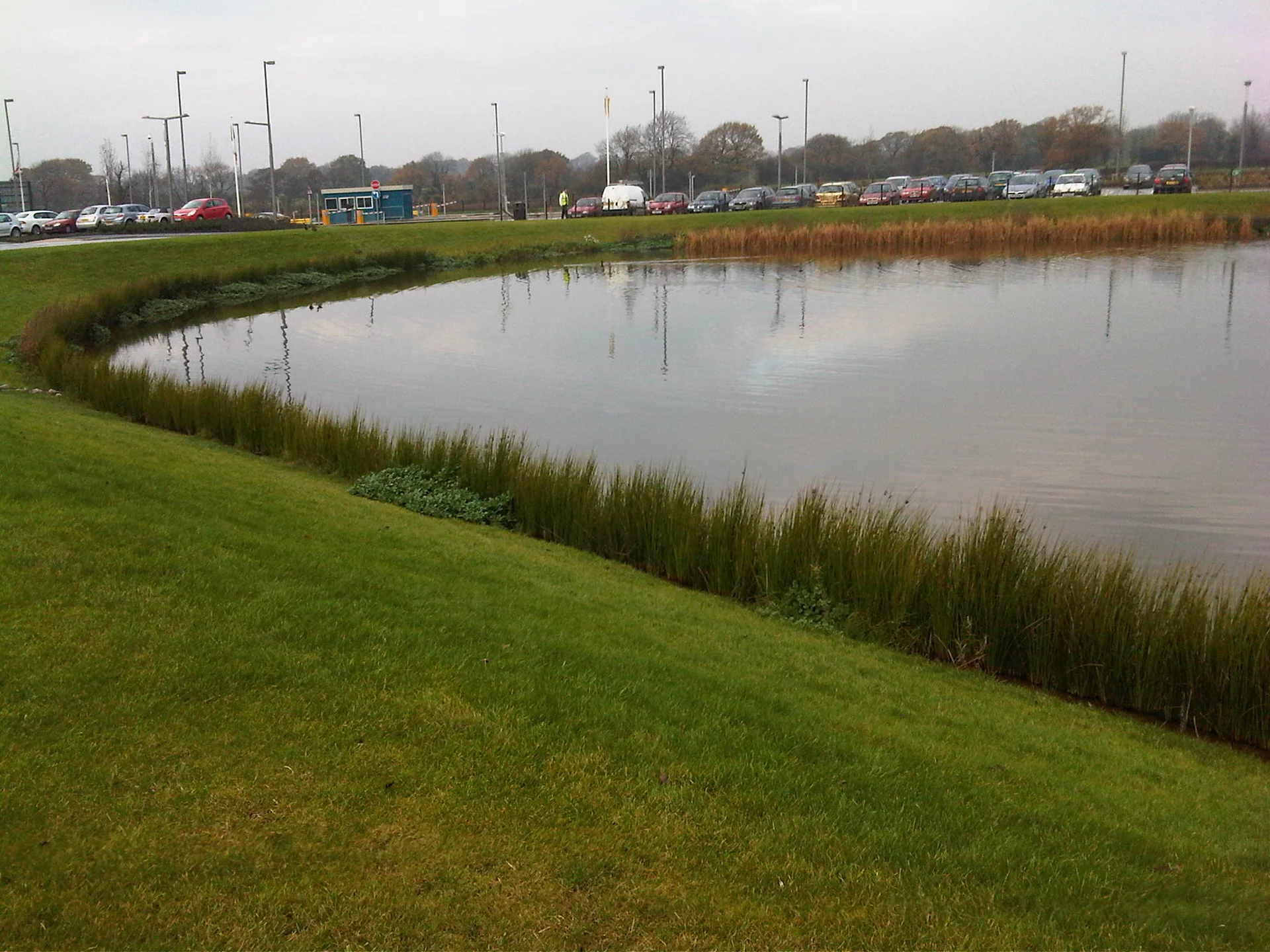
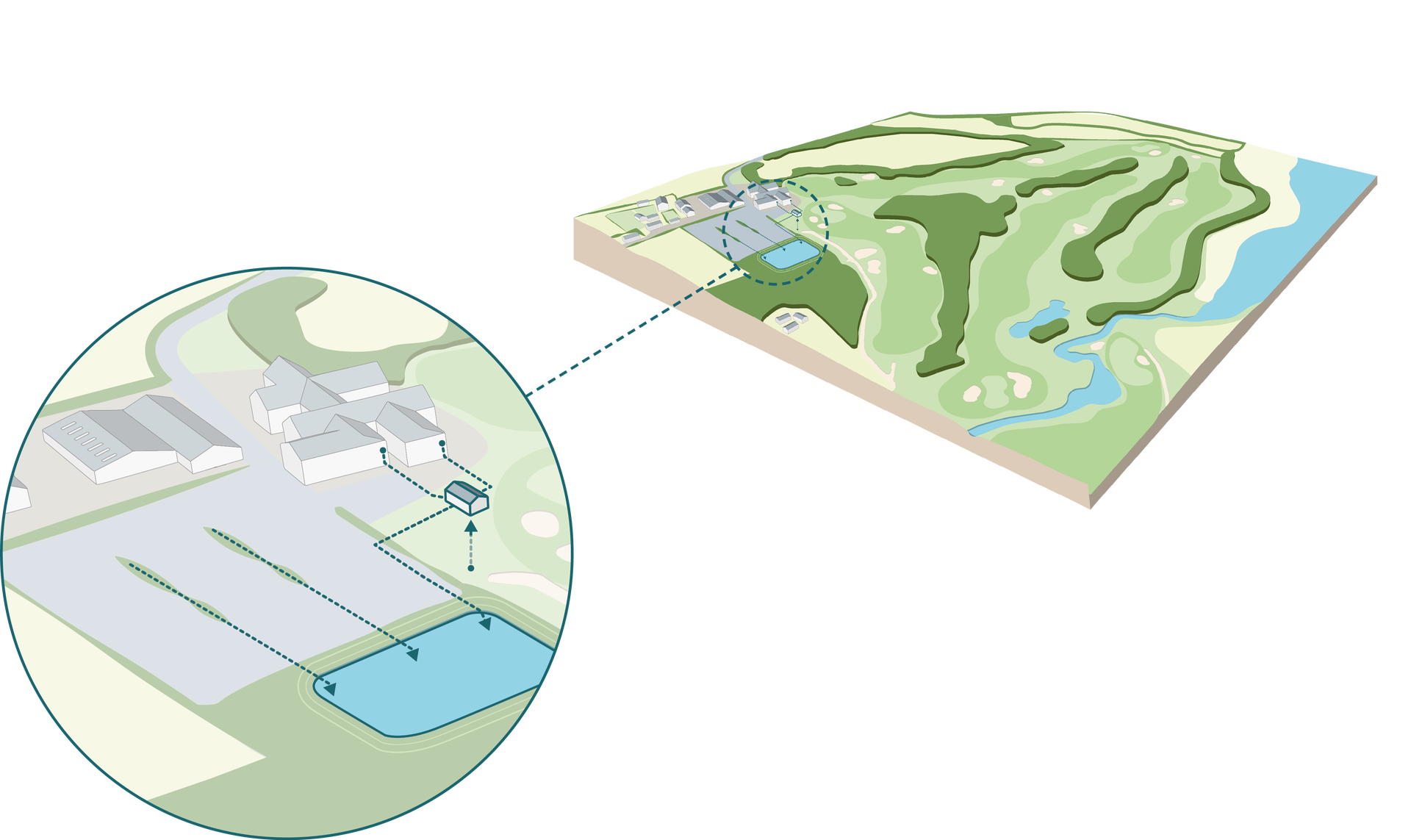
Reservoirs can be used to store water for use with an irrigation system and/or to control run-off discharging from a site.
Reservoirs can be used to store water for use with an irrigation system and/or to control run-off discharging from a site. A reservoir can be used to house water from a borehole abstraction, river abstraction, potable mains supply and/or rainwater harvesting system.
A reservoir can hold a large volume (typically 5,000-25,000 m3 but be as large as 100,000-200,000 m3) of water from single or multiple sources. Using a reservoir allows abstracted water from the winter to be utilised later. This is typically more favourable to a licensing agency given that there is increased abstraction from other sites in the summer at a time when an aquifer or river is typically more stressed or running at a lower flow. A suitably sized reservoir is key to harvesting rainwater from a site as there will be excessive rainwater drainage occurring in winter months which then needs to be stored for a number of months if it is to be used in the spring/summer.
Design considerations
The size of a reservoir is governed by the water balance from the various water sources available and project budget. Currently, reservoirs in England over 25,000 m3 must be notified and registered with the Environment Agency. This is being reduced to 10,000 m3 in Wales and likely in England in the foreseeable future. A Panel Engineer must sign off the design, supervise and periodically check the reservoir to ensure its safety. The design of a reservoir is dependent on-site conditions, geology, water table, water storage requirements and other localised restrictions.
Evaporation losses can be reduced by using a floating cover. This can be installed as an impermeable membrane or floating tile system. However, a floating cover system is not typically aesthetic and placement of the reservoir may therefore prevent the use of such a system.
Generally, reservoirs do not provide as many ecological benefits as a pond network, as vegetation build up and shallow banks are not encouraged as part of the design. However, reservoirs can be important habitats for overwintering birds.
Planning
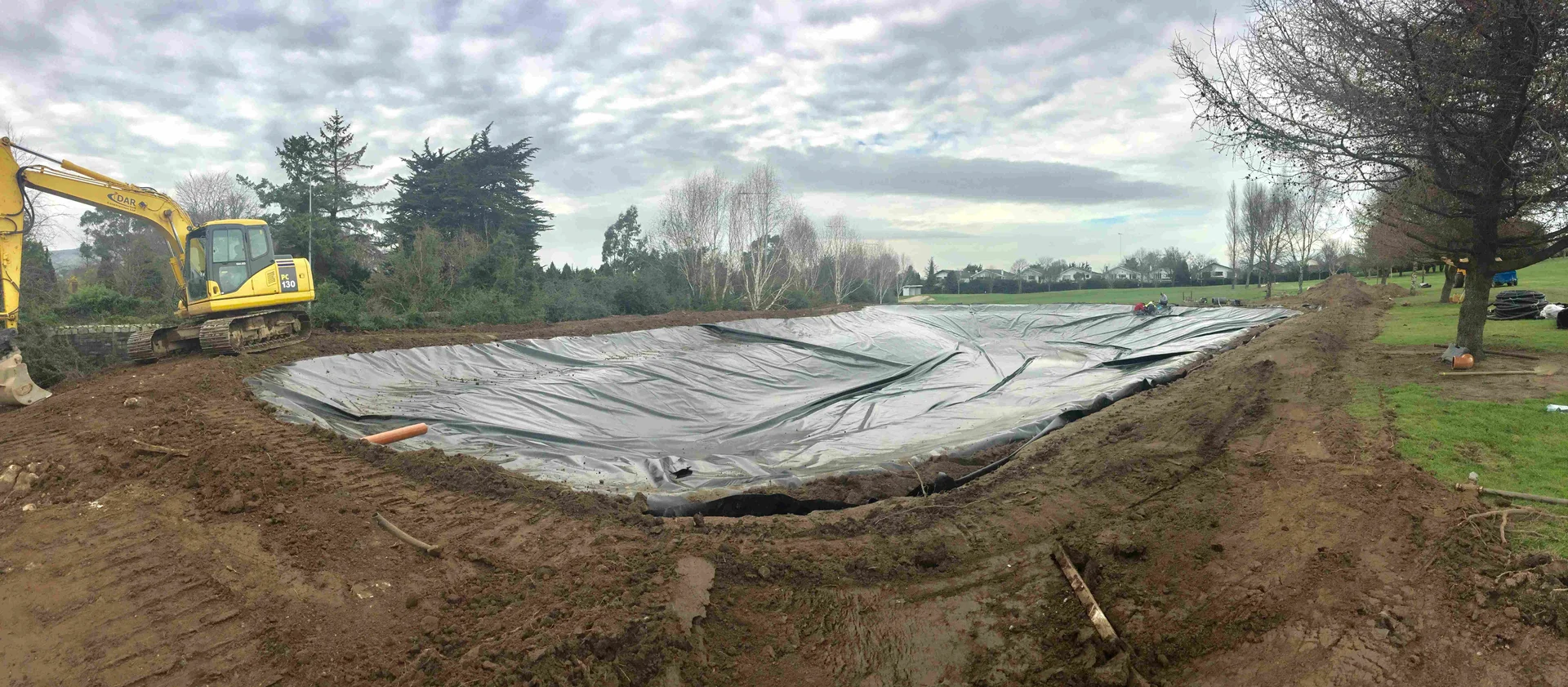
Depending on the location and/or the proposed design, it may be possible to construct a reservoir under Permitted Development Rights (PDR). If this is the case, it may only be necessary to submit prior notification. The local planning office may grant permission but with 'conditions' attached to it. Conditions can enhance the quality of development and enable development to proceed by mitigating adverse effects of the development. Failure to 'discharge' the conditions can invalidate planning permission. If the proposals (reservoir) do not fall under Permitted Development Rights (PDR), planning permission must be sought. Additional considerations such as restricted access, warning signage, proximity to airfields and emergency drainage plans must be considered to reduce risk for anyone in close proximity to the reservoir.
Costs
Typical costs = £50,000 - £500,000 (depending on amount of groundworks)
Typical size = 5,000 - 100,000 m3
Typical yearly yield = 5,000 - 100,000 m3 a year
Relevant Case Studies
Northamptonshire Golf Club
London Golf Club
Royal Automobile Club
Royal Cinque Ports Golf Club
Effingham Golf Club