
Opening Golf to the World
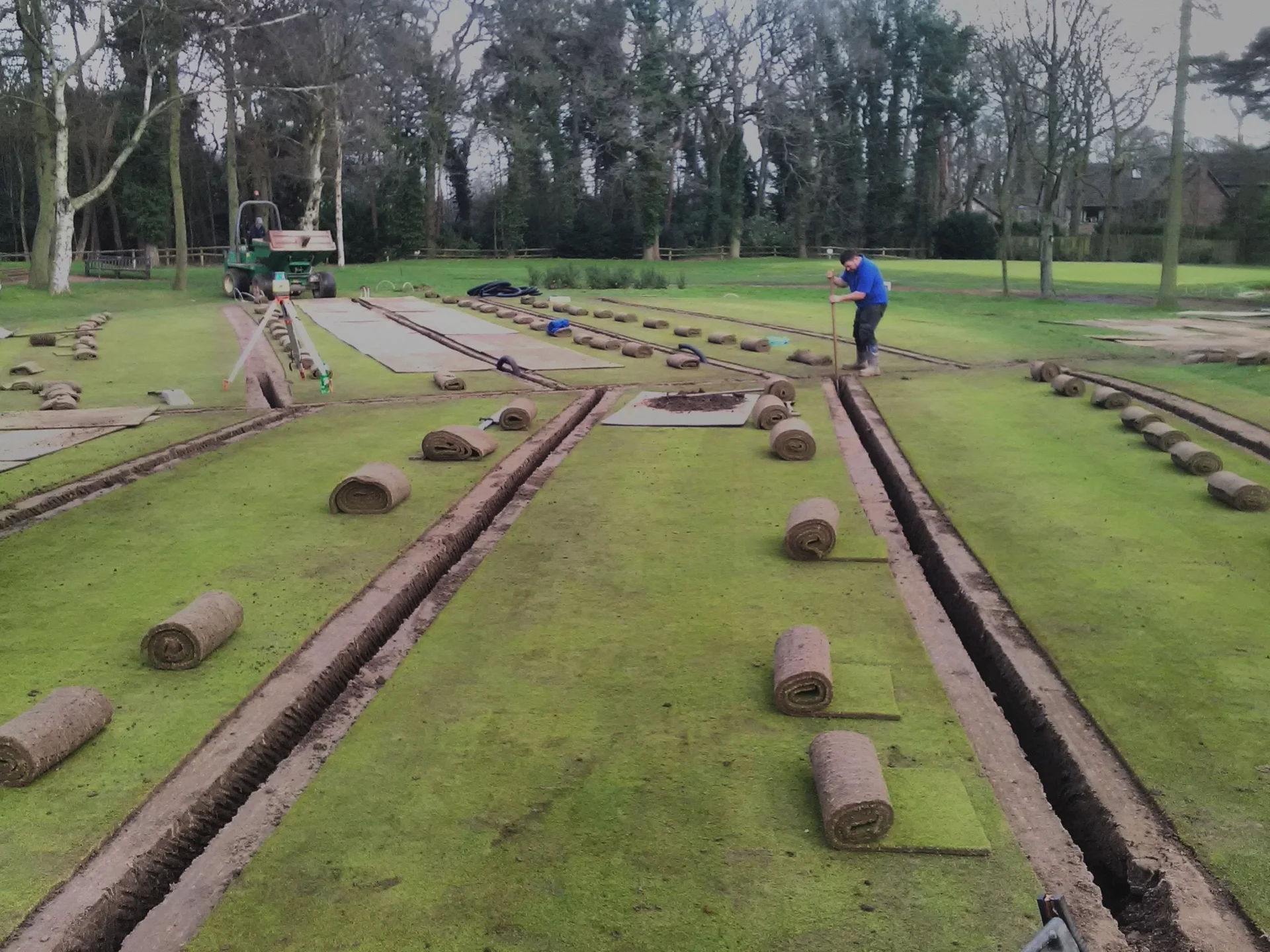
Drainage
The installation of drainage onto golf courses provides a perfect opportunity to link with a water harvesting system.
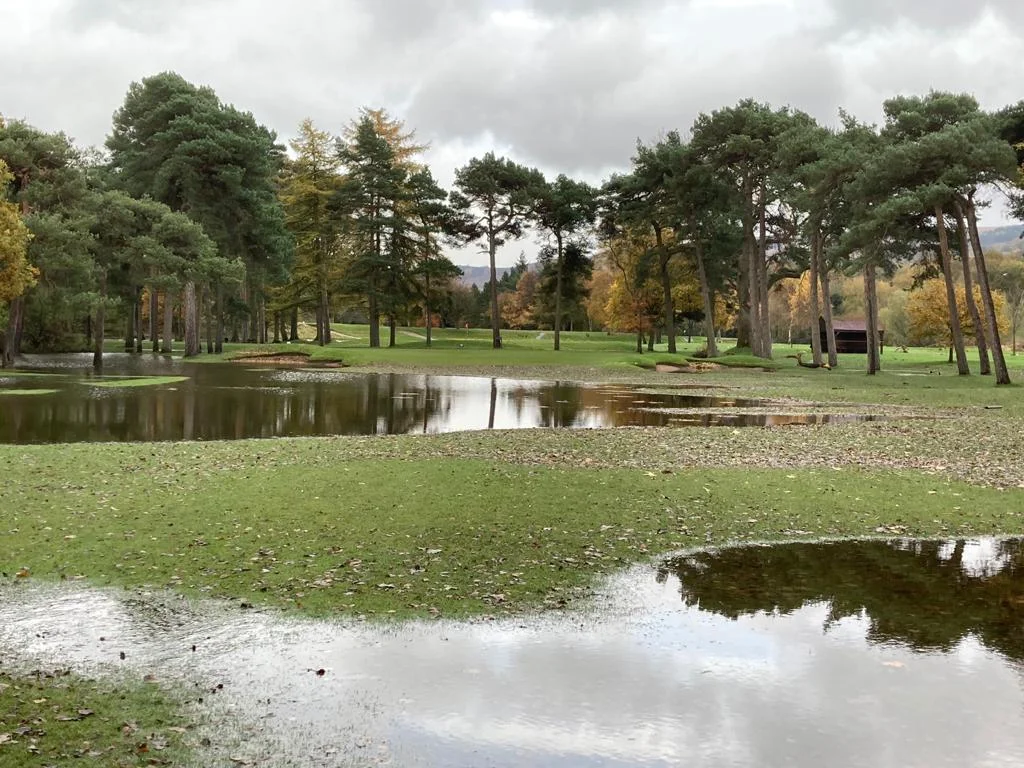
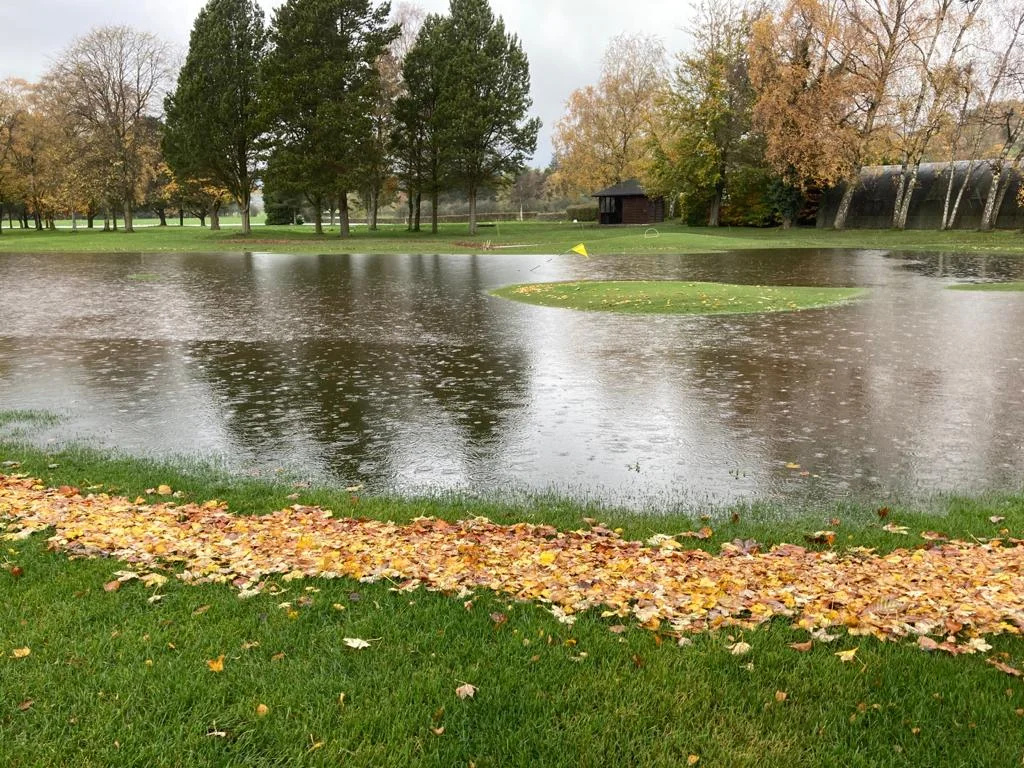
The installation of drainage onto golf courses provides a perfect opportunity to link with a water harvesting system. Drainage features already used on golf courses are ideal SuDS features. These include interception ditches, infiltration ditches, swales, ponds and soakaways. By incorporating these features into a drainage system, the volume of water passing through the drainage network at any one time will be minimised, reducing the potential to flood/waterlog low points, and increasing opportunities to harvest water.
It is important that a co-ordinated design approach is utilised when designing an integrated SuDs drainage and water harvesting system. SuDS can be incorporated into traditional course drainage systems. However, improving drainage through traditional methods to solve issues that arise in the winter could amplify summer irrigation problems. Therefore, a coordinated approach is needed, with a sitewide plan required to allow systems to be installed in a phased approach over several years.
Key design points when considering drainage;
- Site wide drainage as part of site wide water management plan
- Excess water should be viewed as opportunity
- Long term planning of drainage required
- Water from drainage should used or retained onsite where possible (unless otherwise required due to environmental concerns)
- Store rainwater for later use
- Use infiltration techniques, such as porous surfaces in non-clay areas
- Attenuate rainwater by storing in tanks or sealed water features for gradual release
- Discharge rainwater direct to a watercourse
- Discharge rainwater to a surface water sewer/drain
- Discharge rainwater to the combined sewer
Excluding re-use, infiltration is the most sustainable method of surface water disposal. The infiltration structures allow the surface water to soakaway into the surrounding soils. These significantly reduces the amount of water discharging into the water courses and sewers, while also offering some deep groundwater & aquifer recharge.
The discharge rates at which developments can outflow into rivers and sewers is restricted and it is currently recommended that rates are restricted to greenfield run-off rate.
Within any development, this means that the 100-year storm event plus an additional 40% to account for climate change will need to be managed. These attenuation volumes required to be managed could provide a benefit to golf courses as the water collected can be reused (within irrigation) at a later date.