
Opening Golf to the World
Treated Wastewater
This water can be defined as water that has been used in a domestic, commercial, agricultural or industrial setting. The majority of domestic wastewater is sewage, drainage or grey water, whilst commercial, agricultural and industrial water can be drainage, by-product water or sewage.
Although not common in the UK at present, many other countries have pioneered the use of Treated Wastewater (TWW) for use in non-potable situations. This water can be defined as water that has been used in a domestic, commercial, agricultural or industrial setting. The majority of domestic wastewater is sewage, drainage or grey water, whilst commercial, agricultural and industrial water can be drainage, by-product water or sewage.
The majority of this water comes from the sewage network and sewage treatment plants. Currently in the UK, most of the water from sewage treatment plants is discharged to river networks after a series of treatment stages. This is estimated to be around 4 billion m3 a year. Most of this water is discharged in a good condition which would allow it to be used as irrigation water, subject to additional on-site treatment, i.e., UV disinfection.
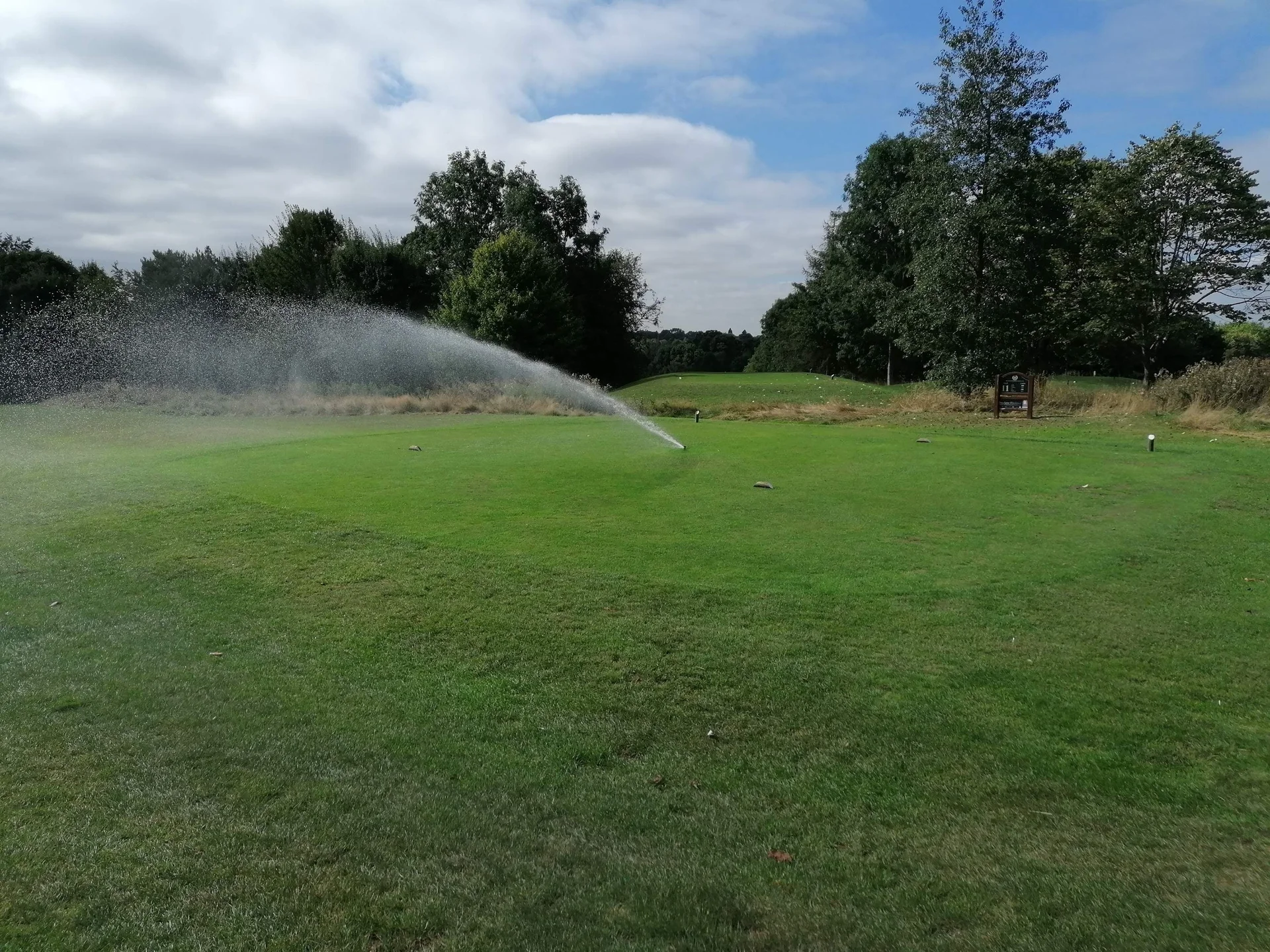
Water from large-scale wastewater treatment is often used for amenity turf in the Middle East and in some Mediterranean countries. Particular issues with wastewater for turfgrass include high salinity or Electrical Conductivity (EC), excessive nutrient content and elevated levels of bacterial contaminants. These can all be treated on-site through small treatment plants, but careful monitoring is required to ensure they do not cause long-term issues for turfgrass. At worst, target levels should adhere to government guidance and, at best, exceed these in order to ensure the long-term health of turfgrass.
The normal wastewater treatment process is as follows:
- Preliminary - screening of large solids
- Primary - settlement of suspended solids
- Secondary - biological treatment through bacterial breakdown
- Tertiary - filtration and nutrient removal
- Sterilisation (can occur during tertiary) - UV or Ozone treatment to destroy pathogens
Commercial wastewater treatment
Most UK sewage treatment plants discharge good quality water directly into water courses. If a golf course is in reasonable proximity to a sewage treatment plant, it may be possible to open dialogue to assess if a connection to the plant is a possibility. This arrangement is not currently common in the UK but likely to become more common as water demand continues to increase. As this is not a standard practice, it may take a significant period to obtain all the necessary agreements and licences to proceed with this option.
Advice:
- Speak to a specialist consultant to gain support for discussions with relevant authorities
- Locate local sewage treatment plant
- Contact local water company and water licensing body to discuss options for exploring use of treated wastewater
- Perform feasibility study to understand capital costs, running costs, logistics of obtaining consistent water supply, legislation/licences, reduction in sewage discharge fee, volumes of water available, longevity of supply and storage issues/requirements
- Add to the site water management plan
On-site treatment (see greywater section)
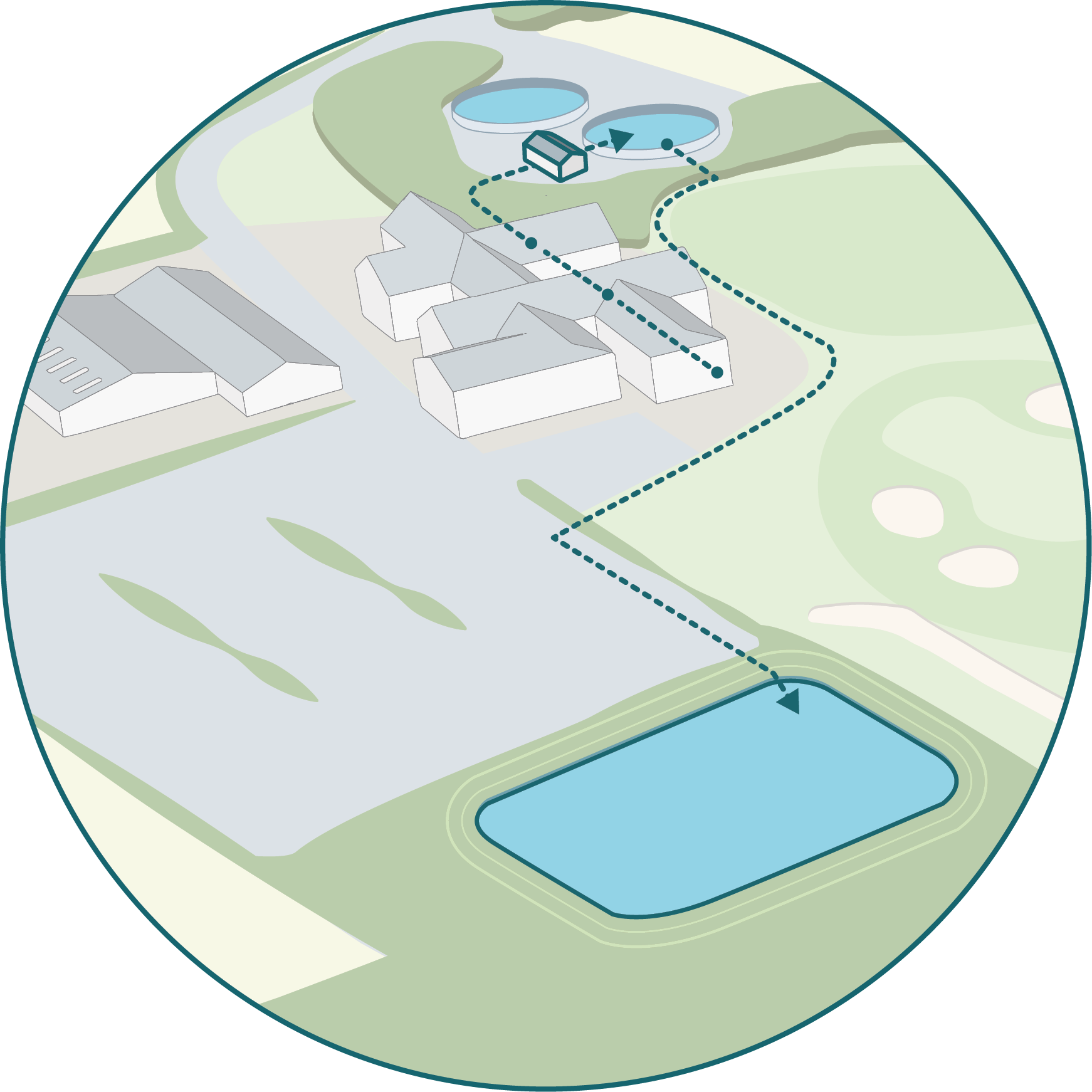
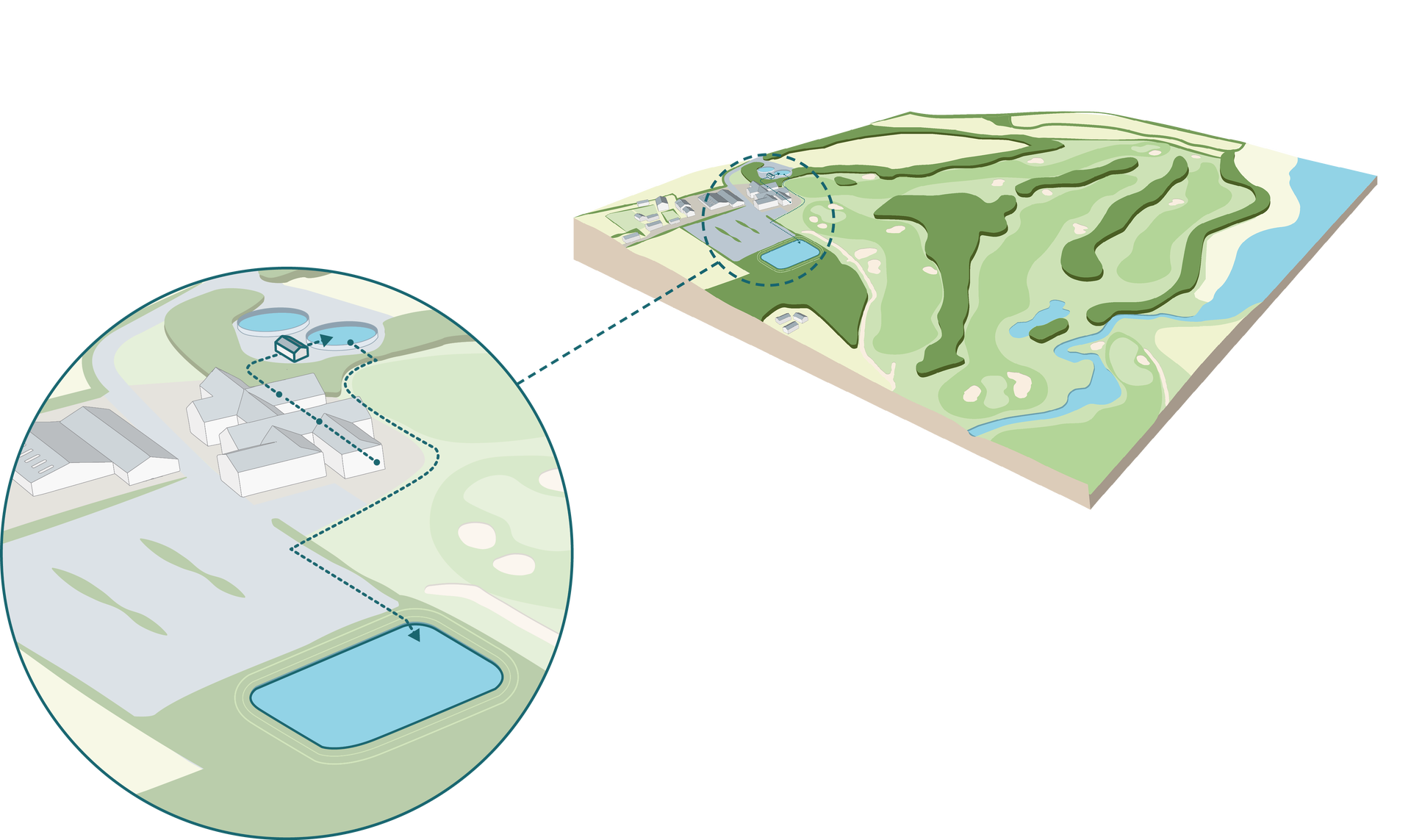
All golf courses will produce a certain amount of wastewater, most likely sewage, sink and shower water from the clubhouse. If the clubhouse has additional facilities such as a spa or on-site accommodation the amount of water produced may significantly increase. Depending on the amount of wastewater produced, it may be feasible to treat the water on-site, store and then reuse as irrigation water. It is unlikely that the club's entire water demand can be serviced this way but a significant proportion of demand could be supplied. This will reduce external water demand as well as reducing the club's sewage connection bill.
Advice:
- Calculate the amount of wastewater that the golf course currently produces
- Assess current wastewater discharge fee and or if an additional discharge licence may be needed
- If numbers look favourable, speak to a specialist consultant to see if an on-site treatment option would be feasible
- Perform a feasibility study to understand capital costs, running costs, legislation/licences, reduction in sewage discharge fee, volumes of water generated
- Add to the site water management plan