
Opening Golf to the World
Irrigation System: Audit
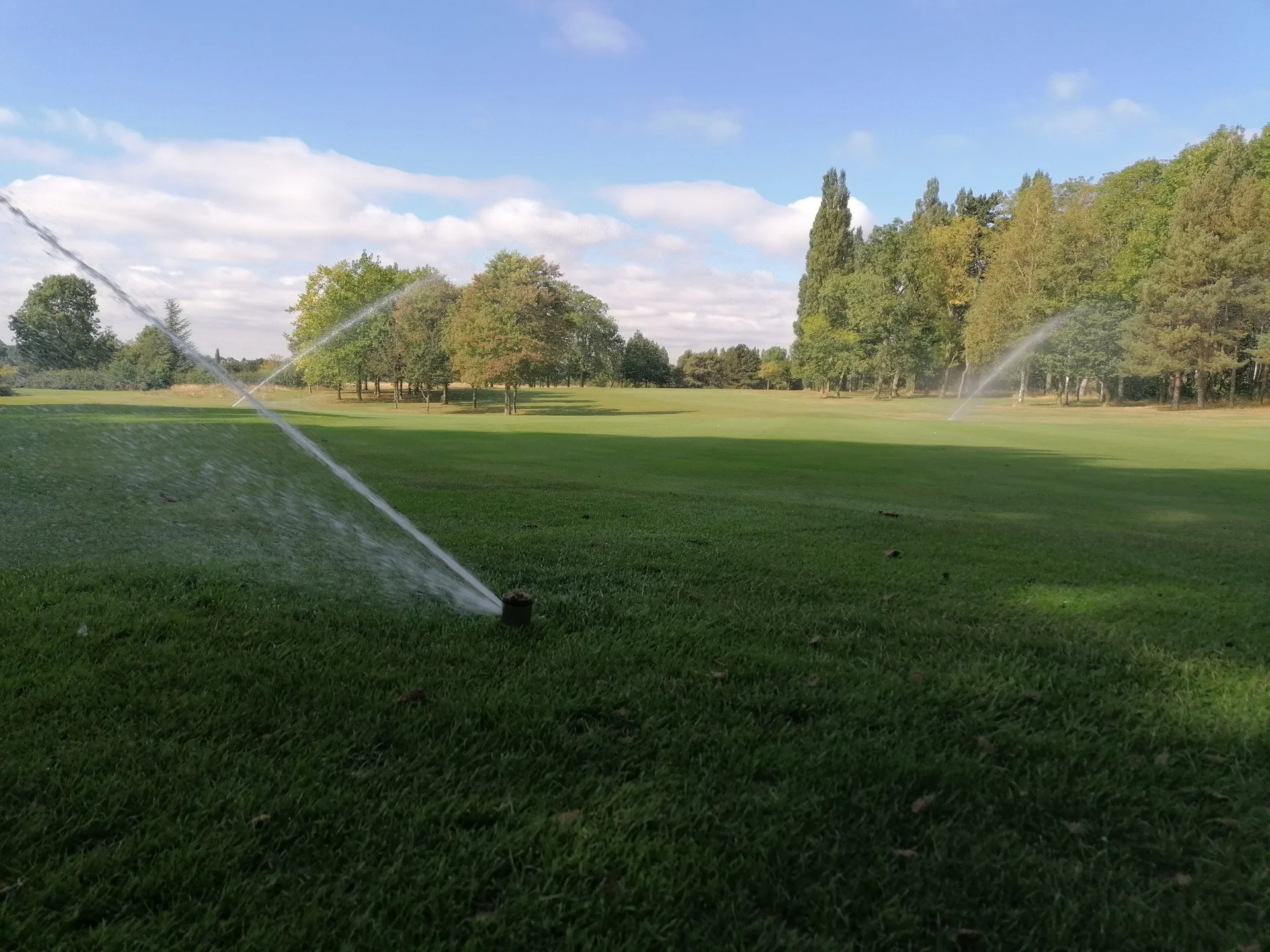
Auditing an existing irrigation system is paramount to ensure the effectiveness of the system and maximise water use efficiency.
The anticipated lifespan of a golf course irrigation system is 20-25 years depending upon the quality of the design, materials and installation. Auditing an existing irrigation system is paramount to ensure the effectiveness of the system and maximise water use efficiency. Even the most efficiently designed irrigation systems will degrade over time, especially when not maintained. This will cause operational problems and ultimately inefficient water use.
An irrigation system audit should be carried out at least annually to identify necessary maintenance tasks, future renovation requirements and enable financial planning. It is recommended that an initial audit investigates parameters outlined below and that future audits should be carried out focusing on key elements at the beginning of each irrigation season. Where necessary, the services of specialist and trained personnel should be sought.
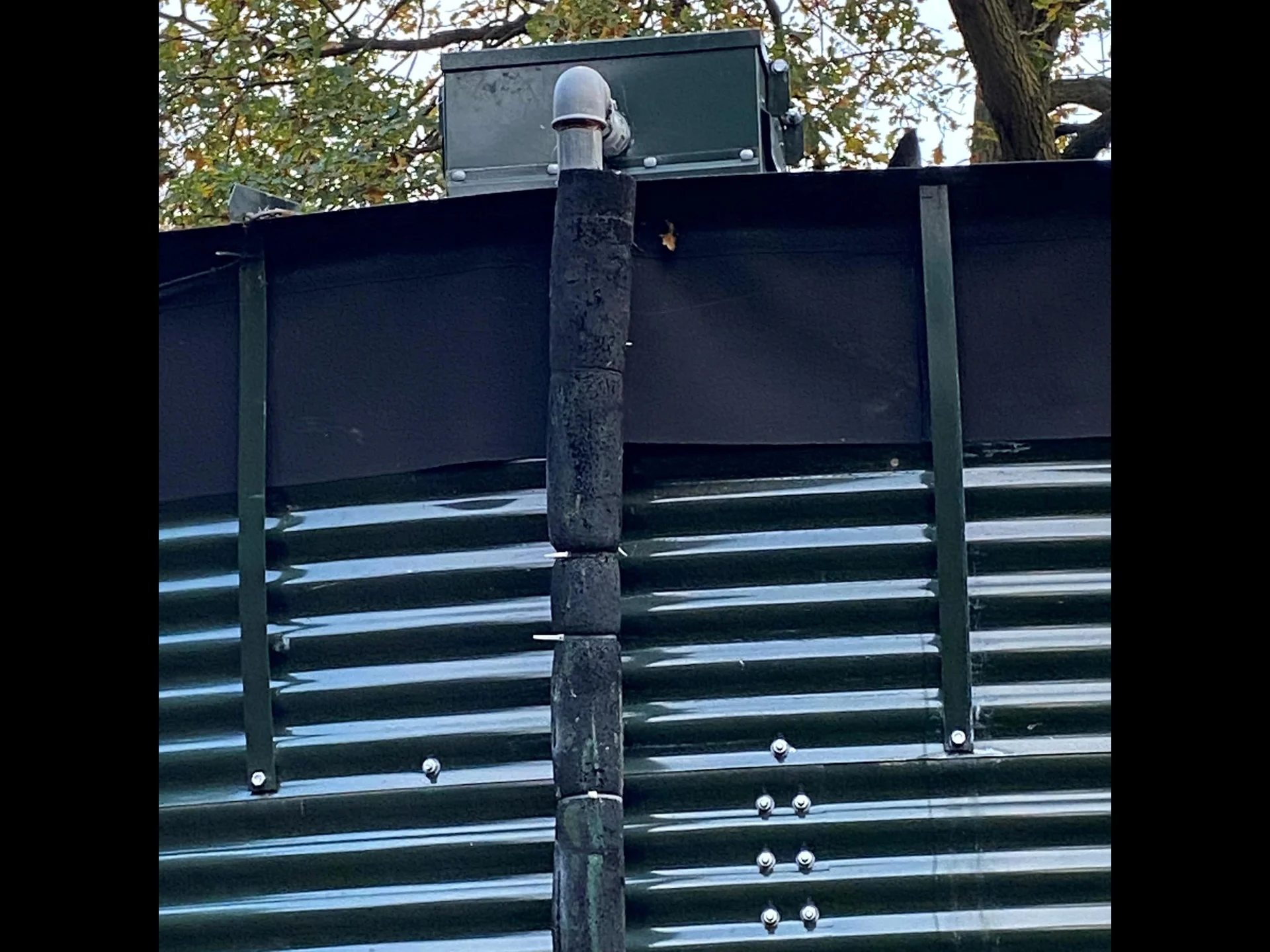
Water supply
- Ensure incoming flows and pressures are sufficient to sustain the requirements of the system
- Analyse quality of the water used. Common parameters include pH, calcium content, iron content, salinity, nutrients, Total Suspended Solids and Biological Oxygen Demand
- Ensure quantities of water that can be stored are sufficient to sustain the irrigation system
- Monitor tanks and reservoirs for leakage and clean as necessary
- Replace tanks and liners as necessary
- Check level controls operating for both incoming supplies and low water content
Pump station
- Establish the model and capacity of the pump station and designed flow and pressures
- Ensure that the pump station is operating with correct static pressure and the correct pressure when irrigation system is operating
- Check safety features such as:
- High and low water cut out
- Pressure relief valve
- Pump trip / run
- Isolators and fuses on control equipment
- Water meter operation
- Check operation and condition of filters
- Monitor for leakages either by measuring water used (water meter) or the drop in static pressure when no irrigation or hose points are operating
- Check operation and condition of isolation valves, drain valves and air release valves
- If the delivery system is not operating at its designed pressures but the pumping unit is, an investigation of pipe sizes will be required to establish if excessive friction losses are present
- Ensure manual and automatic operation of each valve
- Check condition of isolation valves to ensure lateral areas can be individually isolated
- Check condition of the valve boxes (should be clean and components accessible)
Sprinklers
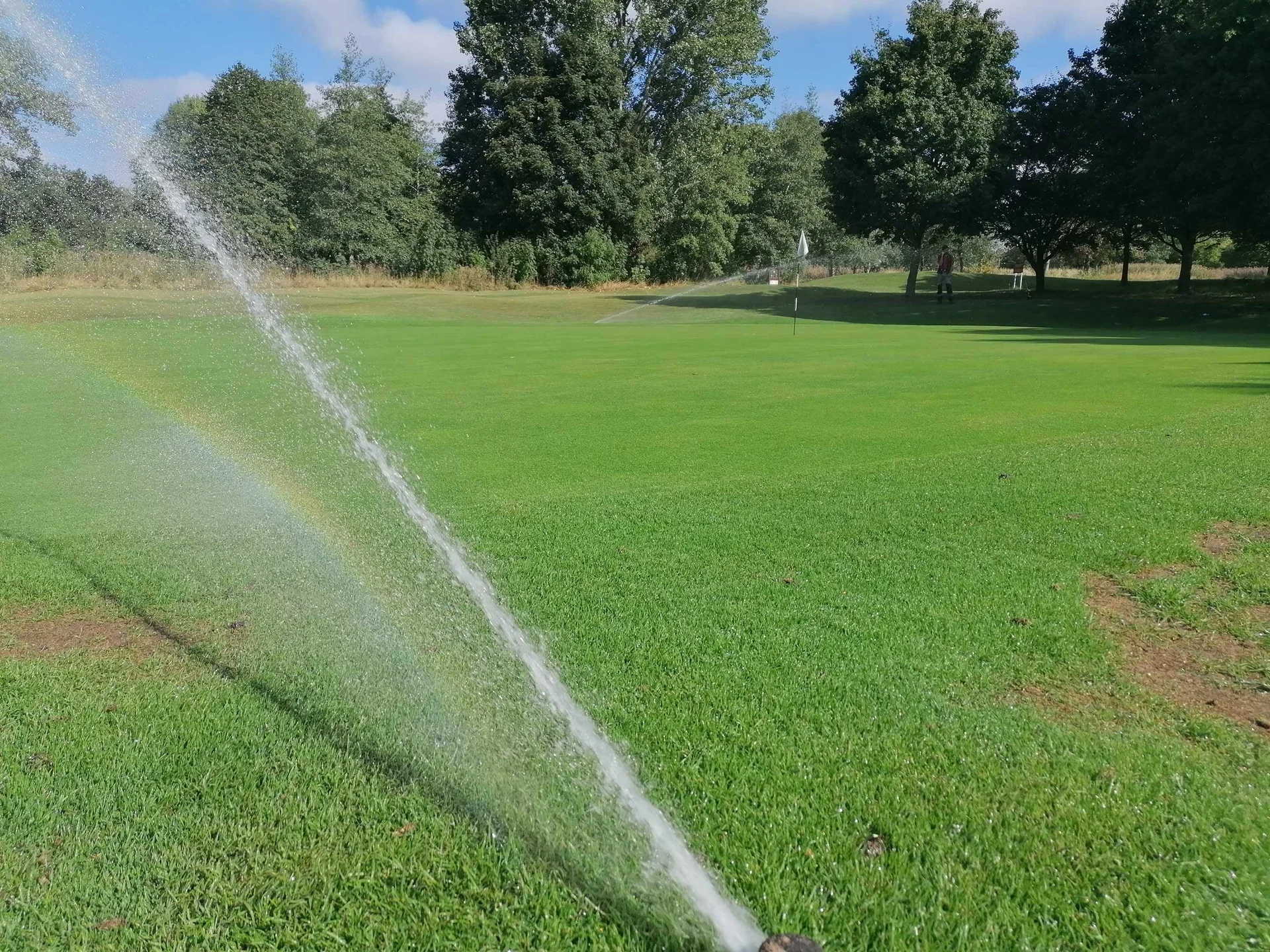
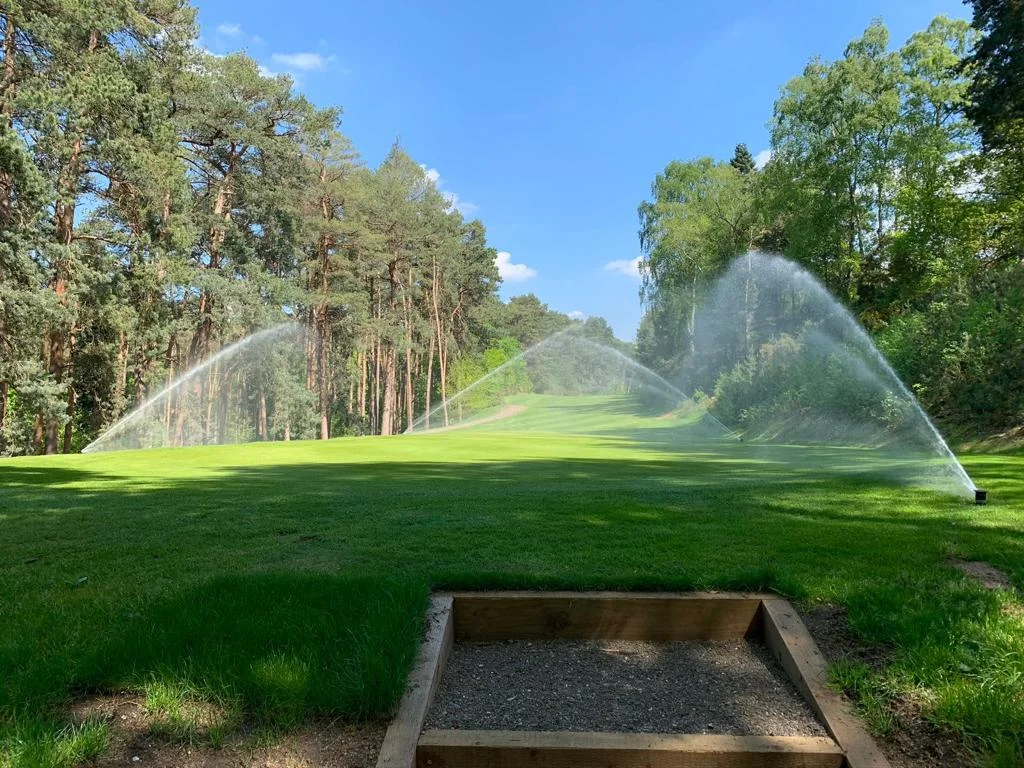
Check all sprinklers for operation, condition and setup including:
- Pop up and down
- Rotation
- Correct arc
- Correct operating pressure at the nozzle (pitot gauge)
- Radius of throw (in relation to nozzle size)
- Evenness of application (common method includes catch can assessment which places a number of containers across the area in a grid like pattern to assess evenness of irrigation)
- Physical condition of all components
- Depth (sunken heads) and level
- Overthrow onto non-irrigated/areas not requiring irrigation
Control system
- Ensure that the controller can operate all sprinklers/stations
- Check the current watering schedule and ensure it is modified to take account of daily weather patterns
- Operate an automatic watering program and ensure that all sprinklers/stations operate and in the correct sequence
- Ensure ancillary equipment such as rain switches, weather stations and soil moisture sensors are configured and set-up correctly and provide accurate data
- Ensure data recording and maintenance records/schedules are in place and up to date
- Ensure as laid plans and layout details are available with operation and maintenance manuals for each type of equipment
- Ensure relevant staff have knowledge of the system for both maintenance and operation